

U.S. intelligence agencies are evaluating how Iran might react if President Donald Trump were to announce a unilateral victory in the ongoing war that has lasted for two months, resulting in significant casualties and becoming a political burden for the White House, according to two U.S. officials and a source familiar with the situation.
The intelligence community is exploring this issue along with other inquiries at the behest of senior officials in the administration.
The aim is to grasp the consequences of Trump possibly withdrawing from a conflict that some advisers fear could lead to considerable Republican defeats in the upcoming midterm elections, as indicated by the sources.
Although no decision has been reached — and Trump could readily escalate military actions — a swift de-escalation might alleviate political pressure on the president. However, it could also leave a strengthened Iran that might eventually restore its nuclear and missile capabilities, posing a threat to U.S. allies in the area.
The sources requested anonymity to discuss sensitive intelligence issues.
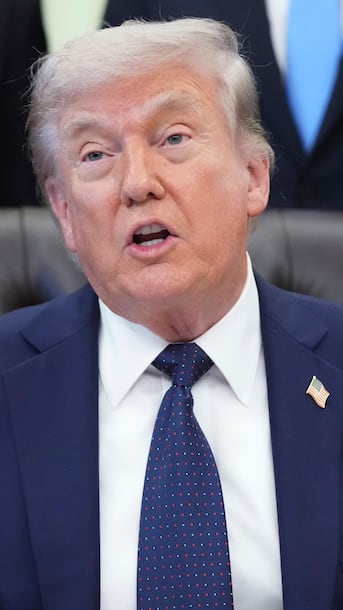
U.S. President Donald Trump told a reporter ‘don’t rush me,’ when asked about a timeline on Iran.
It remains uncertain when the intelligence community will finalize its analysis, but it has previously evaluated how Iran’s leadership might respond to a U.S. victory announcement.
In the aftermath of the initial airstrikes in February, intelligence agencies concluded that if Trump were to declare victory and the U.S. were to reduce its troop presence in the region, Iran would likely perceive it as a victory, one source revealed.
Conversely, if Trump stated that the U.S. had triumphed while maintaining a significant troop presence, Iran would likely interpret it as a negotiation tactic, but one that might not necessarily conclude the conflict, according to the source.
-
Trump not happy with latest Iran proposal to end the war, U.S. official says
-
Iran talks on hold as Tehran’s top diplomat leaves Pakistan, Trump tells envoys not to go
Following the publication of this article, Liz Lyons, the director of the CIA’s public affairs office, stated that the agency “is not familiar with the intelligence community’s reported assessment.”
The CIA declined to respond to specific inquiries from Reuters regarding its current operations concerning Iran.
The Office of the Director of National Intelligence also chose not to comment.
White House spokesperson Anna Kelly remarked that the U.S. continues to engage in negotiations with Iran and would “not be rushed into making a bad deal.”
“The president will only agree to a deal that prioritizes U.S. national security, and he has made it clear that Iran must never be allowed to acquire a nuclear weapon,” she added.
Political costs
Surveys indicate that the war is highly unpopular among the American public. Just 26 percent of participants in a Reuters/Ipsos survey released last week stated that the military campaign has been worth the costs, and only 25 percent believe it has made the U.S. safer.
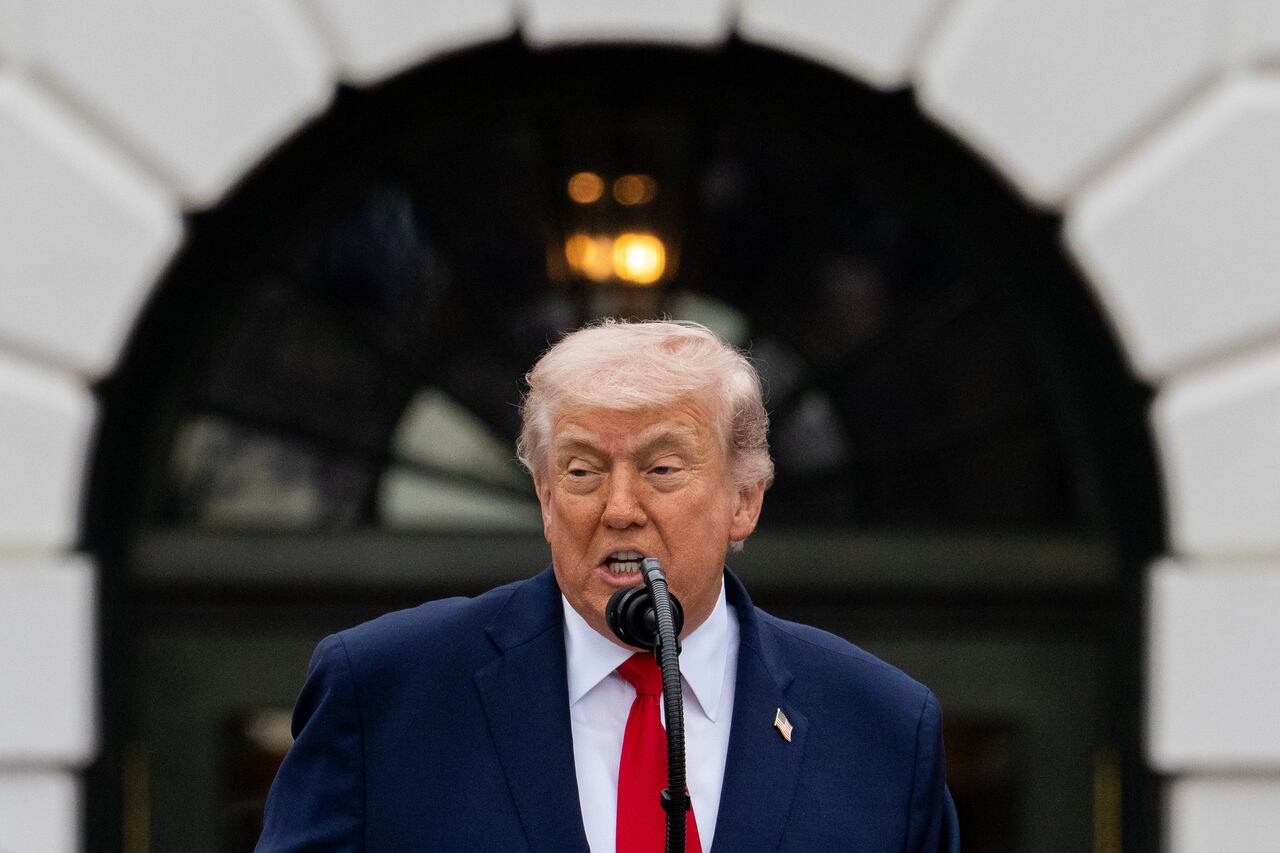
U.S. President Donald Trump is said to be keenly aware of the political price he and his party are facing over the ongoing war in Iran. (Alex Brandon/The Associated Press)
Three individuals with knowledge of recent White House discussions have indicated that Trump is acutely aware of the political consequences for him and his party.
Twenty days after Trump announced a ceasefire, a surge of diplomatic efforts has not managed to fully reopen the economically crucial Strait of Hormuz, which Tehran has blocked by attacking vessels and laying mines in the narrow passage.
The closure of this shipping route, responsible for approximately 20 percent of the global oil supply, has led to increased energy prices worldwide and higher gas costs for consumers. Iran’s capability to disrupt trade gives it significant leverage over the U.S. and its partners.
-
Trump orders U.S. military to ‘shoot and kill’ Iranian small boats choking Strait of Hormuz
-
U.A.E. leaving OPEC amid Middle East energy supply crunch
A decision to reduce the U.S. military presence in the area, along with a reciprocal lifting of the blockade, could eventually lower gasoline prices.
Nonetheless, the two parties appear to be quite distant from reaching any agreement.
Recently, Trump cancelled a trip that would have involved his special envoy Steve Witkoff and son-in-law Jared Kushner meeting with Iranian officials in Pakistan, stating to reporters on Saturday that it would demand “too much time” and that if Iran wished to converse, “all they had to do was call.”
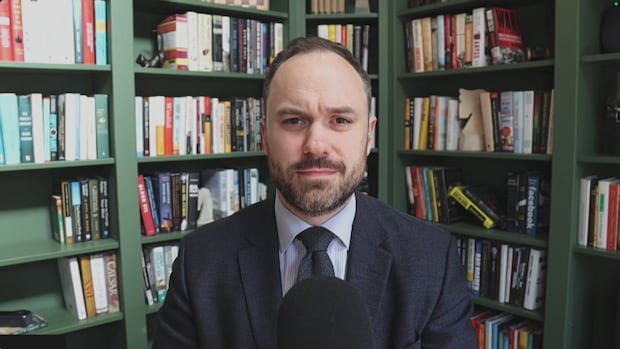
Rory Johnston, founder of Commodity Context, says pressure on the global economy gives Iran leverage in demanding security assurances from the U.S. Johnston also says price drops for commodities such as oil and gas will be delayed even after shipping flows in the Strait of Hormuz return to normal.
‘Enormous’ domestic pressure
A range of military options remain officially available, including renewed airstrikes targeting Iran’s military and governmental leaders, according to another individual familiar with the administration’s dynamics.
However, one U.S. official and another person familiar with the discussions indicated that the more ambitious military strategies — such as a ground invasion of Iran — seem less feasible than they did a few weeks ago.
-
Canada’s annual inflation rate rose to 2.4% in March, driven by high gas prices
-
Analysis
Why Trump can’t afford to brush off the Iran war’s economic impact
A White House official described the domestic demand for the president to conclude the war as “enormous.”
One source noted that Iran has utilized the ongoing ceasefire period to unearth launchers, munitions, drones, and other materials that had been concealed by U.S. and Israeli bombardments in the early weeks of the conflict.
Consequently, the tactical costs of resuming a full-scale war are arguably greater now than they were during the initial days of the ceasefire, which commenced on April 8.