

In Montreal, medical professionals are now recommending music as a form of treatment.
The Montreal Symphony Orchestra has collaborated with a national organization of physicians to initiate a program that allows doctors to offer their patients complimentary tickets to performances.
“Doctors will receive prescriptions to give to patients. The patients will contact us, and we will provide two free tickets to each patient who reaches out,” Mélanie La Couture, CEO of the Montreal Symphony Orchestra, explained to As It Happens host Nil Köksal.
“Patients can choose which concert they wish to attend.”
This initiative exemplifies a growing trend in Canada known as social prescribing, where healthcare providers recommend activities that fall outside traditional medical treatments but can significantly enhance individuals’ health and well-being, such as art, nature, or community involvement.
This practice is on the rise, with advocates asserting that it helps diminish feelings of loneliness, improves health results, alleviates pressure on the healthcare system, and fosters essential trust between healthcare providers and patients.
Why choose the orchestra?
Nicole Parent, the executive director of Médecins francophones du Canada, initially contacted La Couture to negotiate a discount on orchestra tickets for doctors.
However, their collaboration quickly evolved into a much broader initiative.
“There is a wealth of evidence, based on research, showing that music can profoundly affect both the body and mind,” Parent stated.
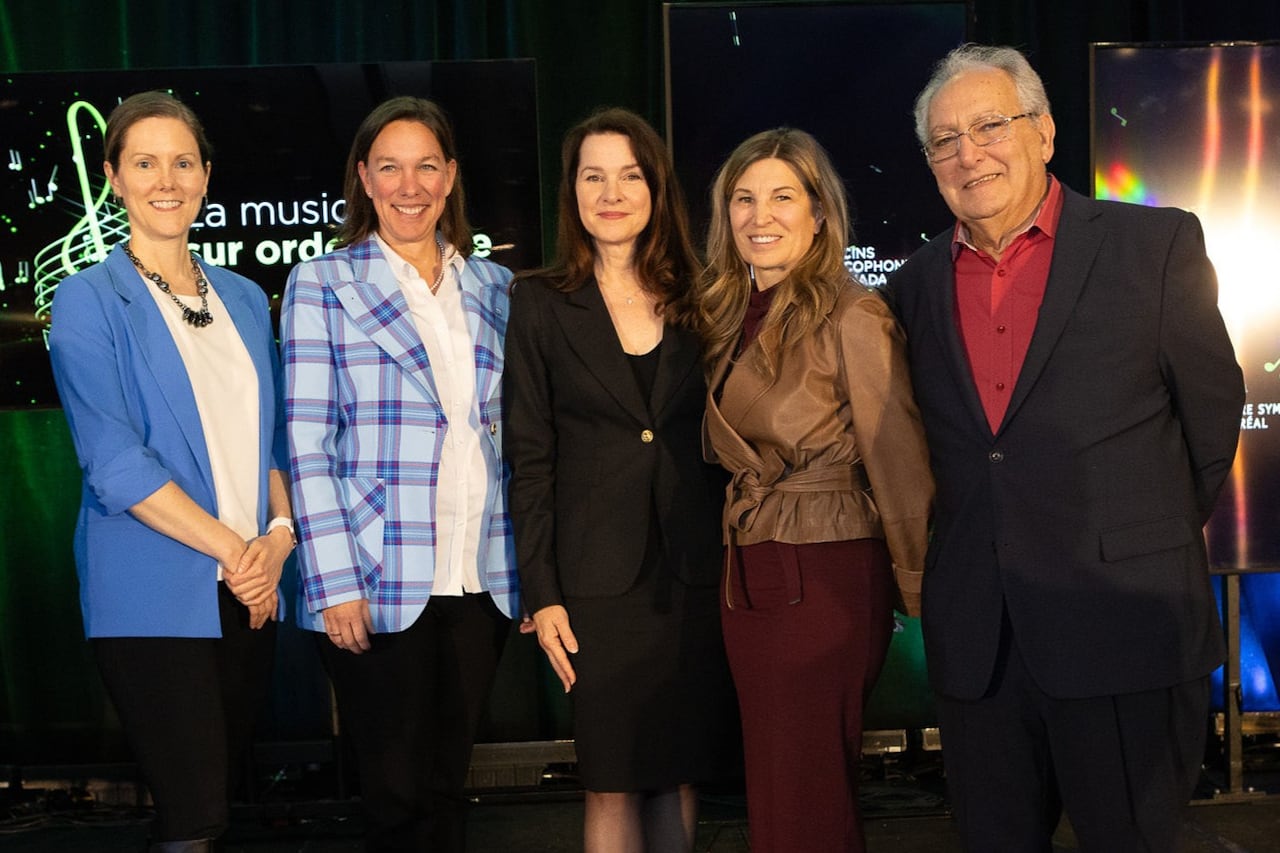
From left to right, the Montreal Symphony Orchestra’s director of education Annie Saumier and CEO Mélanie La Couture, along with Médecins francophones du Canada executive director Nicole Parent, member Dr. Hélène Boye, and president Dr. Nader Habib. (L’Orchestre symphonique de Montréal)
Music listening releases endorphins, which serve as natural pain alleviators and mood enhancers. It stimulates dopamine, known as the “feel-good” hormone associated with pleasure, memory, and cognitive functions. Furthermore, it reduces cortisol levels, which is the hormone linked to stress.
“Consequently, music yields advantages such as diminished stress and anxiety, alleviation of pain, and enhanced cognitive abilities,” Parent remarked.
But why opt for music prescriptions instead of merely discussing its advantages?
“We all recognize the impact a physician has on their patient,” Parent noted. “If a doctor prescribes that intervention, the likelihood of the patient acknowledging it and attending a concert increases.”
Beyond the orchestra
Kate Mulligan from Toronto’s Dalla Lana School of Public Health emphasizes that a prescription also offers individuals the opportunity to experience something they may not have been able to access otherwise.
Mulligan, who founded the Canadian Institute for Social Prescribing, mentions that those in her field continuously gather new insights into how artistic engagement enhances both physical and mental health.
However, she points out that many individuals, particularly in underprivileged communities, often lack access to or feel excluded from venues like theaters, orchestras, or galleries, until they receive an invitation.
“Programs like these can play a crucial role in helping individuals feel more welcomed, understanding what they desire and require from these initiatives, and facilitating their more consistent engagement with the arts,” she articulated.
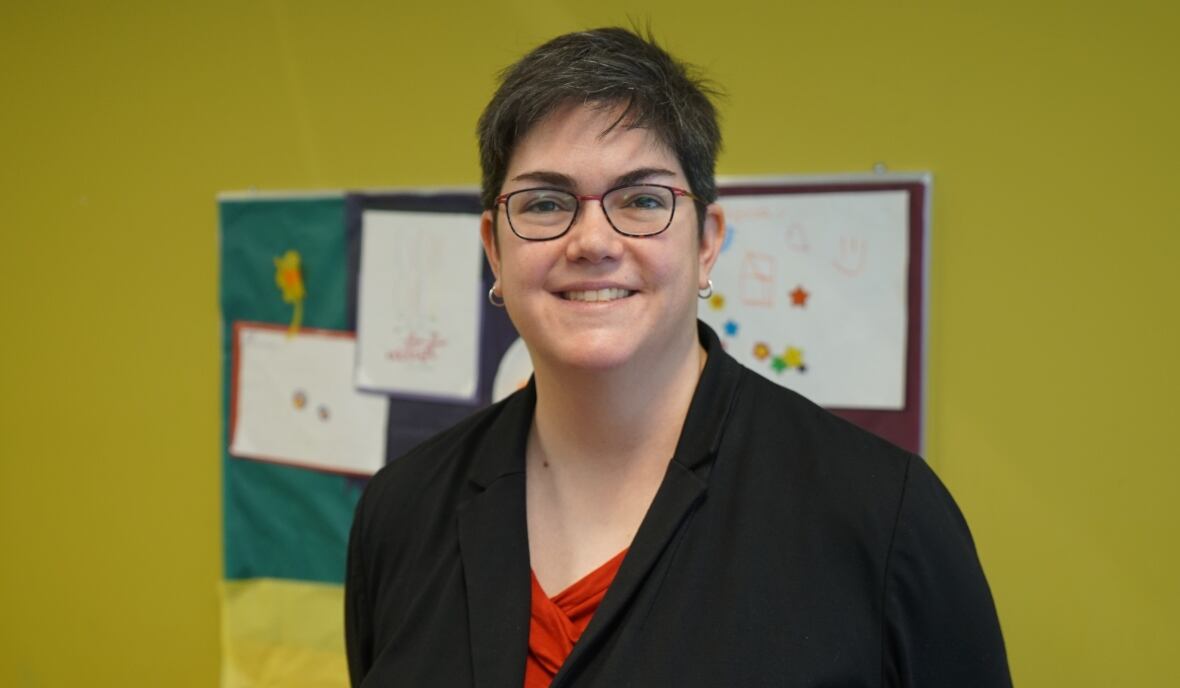
Kate Mulligan, involved with the Alliance for Healthier Communities, mentions that a final report on the social prescription pilot project is anticipated in March, and other provinces are already expressing interest. (Grant Linton/CBC)
Mulligan asserts that social prescribing goes beyond just art. It involves listening to the patient and determining what is suitable for them.
A physician might recommend participation in a fitness class or becoming a member of a community group. Some doctors are even prescribing access to nature through passes to Canada’s national parks.
A Toronto physician gained attention a few years back when she prescribed a patient a “puppy of choice, with daily walks and plenty of affection.”
“There are numerous positive initiatives happening across the country,” Mulligan said.
Ideally, she notes, social prescribing includes an intermediary, typically a community health worker, whose role is to assist the patient in translating the prescription into an actionable plan that aligns with their needs.
When executed effectively, Mulligan asserts that the effects of social prescribing are extensive.
Her organization released a report last year indicating that social prescribing yields a return of $4.43 for every dollar spent, significantly due to decreased hospital admissions, emergency room visits, and ambulance services.
Moreover, she states it enhances individuals’ trust in the healthcare system.
“We also focus on the concept that you are valued. And I don’t know about you, but that’s not a sentiment I often experience when interacting with healthcare systems these days,” she remarked.
“You may feel like you’re imposing or becoming a burden. Such feelings arise. You desire an environment where you are appreciated, and where people have the time to listen to you.”
Although the orchestra prescription initiative in Montreal has just been launched, Parent and La Couture report that numerous doctors have already shown interest, as have orchestras in Toronto and Quebec City.
They plan to gather data from this project while determining how to refine it. Subsequently, they hope to expand its reach.
“This is just the beginning,” La Couture remarked. “I aspire to broaden this initiative significantly.”