

During the previous winter’s provincial election in Ontario, the Progressive Conservatives significantly outspent their rivals by over $6 million. However, a close competitor of the governing party pointed out that the PC Party had a substantial advantage due to its utilization of taxpayer-funded advertising in the months leading up to the snap election.
After more than six months following the official campaign period, the election spending data was released. Premier Doug Ford had called for the winter election to seek a renewed mandate in response to U.S. President Donald Trump’s tariff threats, ultimately securing a third consecutive majority government in February.
The PC Party’s campaign expenditure reached $15.3 million, surpassing the spending of the Ontario Liberals with $8.9 million, the Ontario New Democrats with $8.5 million, and the Green Party with $1.4 million.
Although the PC Party did not provide a statement on their spending, conservative strategist Mitch Heimpel acknowledged that their campaign achieved its desired outcomes.
“With the third consecutive majority government, Doug Ford accomplished his objectives with the advertising budget,” Heimpel remarked.
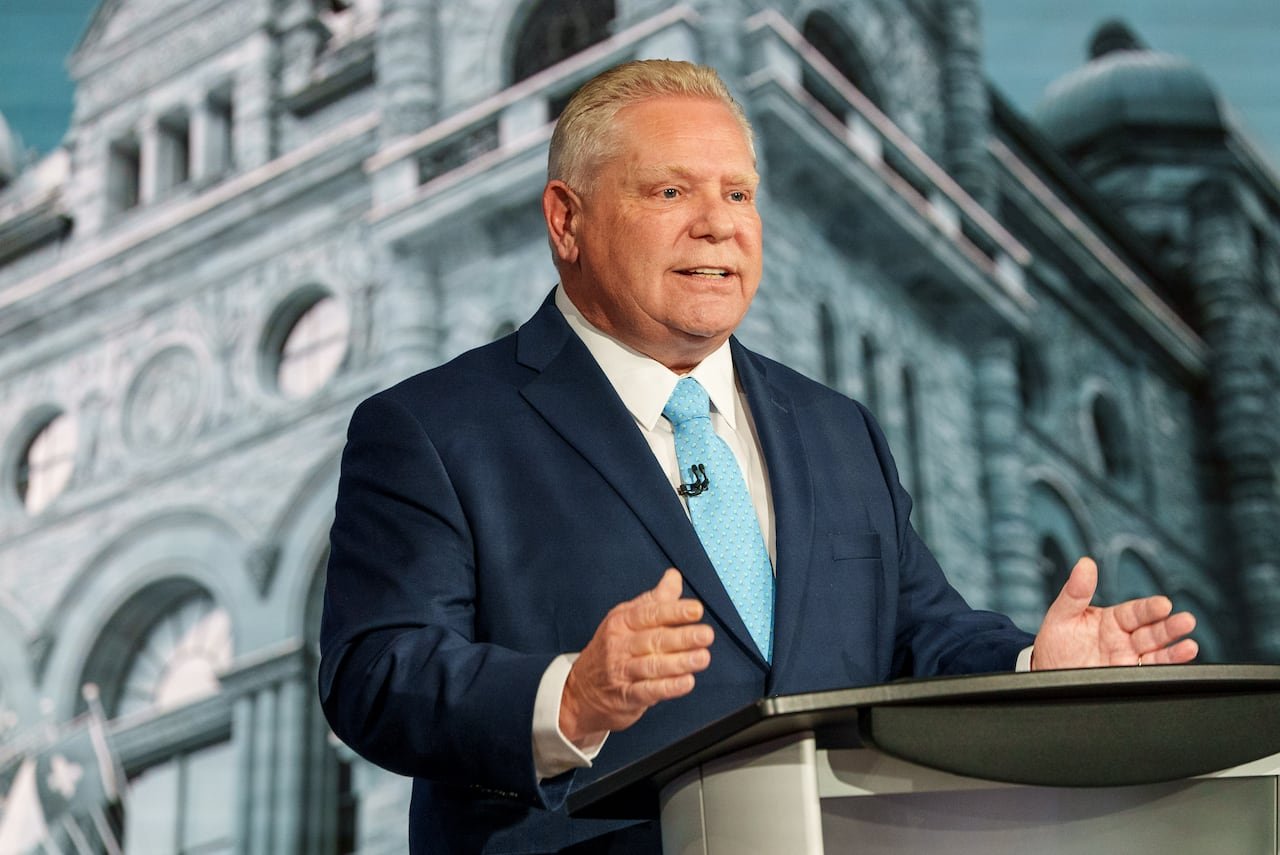
Ford’s Campaign Emphasized Opposition to Trump’s Tariffs
Ford initiated the early election over a year before the scheduled June 2026 election date, focusing on countering Trump and his trade disputes. The Premier spent the preceding months positioning himself against Trump and framing the primary issue of the early election as safeguarding Ontario.
Advertising constituted the largest campaign expense for all major political parties in Ontario during the election. Financial reports revealed that the Tories led in advertising spending with $7.6 million, followed by the Liberals at nearly $6.6 million, and the NDP at $5.4 million, while the Green Party spent $750,000.
However, Ontario Liberal Party president Kathryn McGarry criticized the election filings for not reflecting the government-funded advertising that gave the PC Party a significant advantage before the official campaign period.
“While our party conducted a focused, grassroots campaign supported by volunteers and small donations, the PCs leveraged both ample resources and taxpayer-funded ads to promote their government,” McGarry stated.
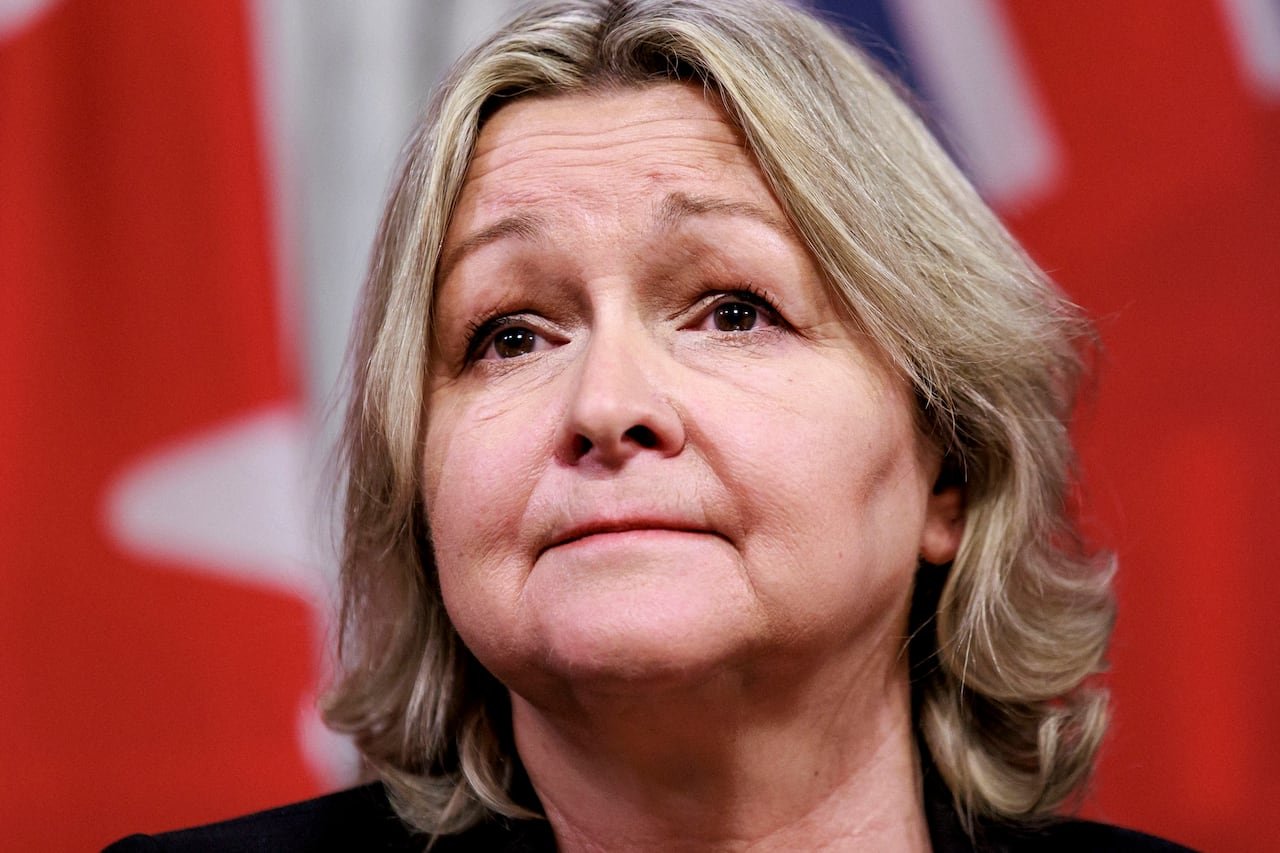
Audit Reveals Increased Government Ad Spending by Ford Administration
In December, Auditor General Shelley Spence disclosed that Ford’s government tripled its government advertising expenditure in the previous fiscal year compared to the year before, marking a record high. She also noted that most campaigns were more partisan than informative.
Spence’s annual report highlighted that Ontario allocated $103.5 million to government advertising for the year ending March 31, 2024, a significant increase from the $33.7 million spent in the previous year.
The auditor’s upcoming report in December will detail the government’s advertising spending leading up to the election.
Prior to 2015, partisan government ads were restricted if they aimed to favorably portray the government or negatively depict its critics. Despite promises to reverse the changes made by the previous Liberal government, the Progressive Conservatives opted to maintain them after assuming office in 2018.
According to Heimpel, while money is influential, electoral victories also hinge on strategy and resonating messages with voters.
“The key to winning elections lies in messaging, political acumen, and raw political talent. Money plays a supporting role. Even with a compelling