

Projections indicate that the influencer market is set to expand significantly, from $31 billion US to well over $120 billion US in the next five years. In response to the increasing demand for regulations to safeguard kidfluencers, who are children that have risen to fame and become brand representatives online, certain governments are taking action.
This week, the European Union (EU) unveiled plans to prohibit social media platforms from offering financial or material incentives for kidfluencing as part of a comprehensive set of measures aimed at safeguarding minors online.
Concerns have been raised by leaders in the European parliament about the significant earnings of the top kidfluencers globally, with some making millions annually. There is apprehension that the allure of lucrative sponsorship deals may lead some parents to pressure their children into continuously creating content for homemade photos and videos.
While several countries and U.S. states have enacted laws related to child labor, experts suggest that banning kidfluencers may not be the most effective approach to protecting children. They highlight that many countries, including Canada, lack specific legal safeguards for kidfluencers.
Overdue Regulations
The EU’s proposal includes emulating Australia by banning children under 16 from having social media accounts without parental consent and prohibiting accounts for children under 13. Voices from within and outside the influencer industry have emphasized the necessity of regulations to protect kidfluencers in Canada and globally.
“Regulation is definitely welcome,” stated Samuel Dahan, an associate professor at Queen’s University Faculty of Law. “It should have been happening 10 years ago.”
“There should be rules and laws,” said Rossana Burgos, also known as Mama Bee from The Bee Family, a family of influencers who gained fame after starting on social media in 2013.
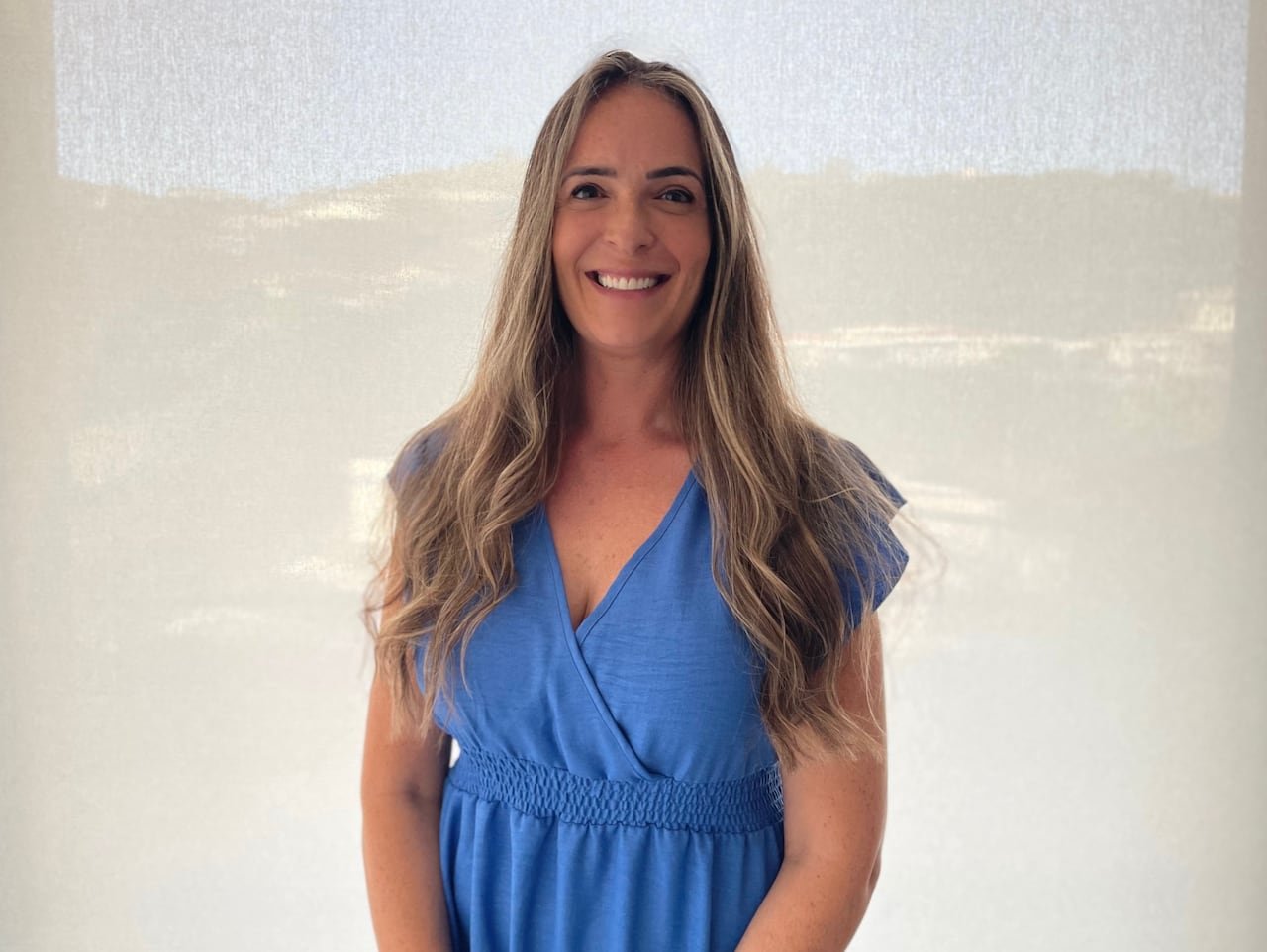
Burgos explained that through partnerships with various brands, her family transitioned to full-time content production, enabling them to sustain themselves financially without pressuring their children to perform excessively.
Today, her children are adults pursuing careers in music, with Burgos expressing concerns about the increasing number of children being exposed to modeling and product testing on camera.
“Since day one, we’ve always said this needs to be monitored,” Burgos stressed. “You cannot allow just anyone with a camera to start filming kids without being held accountable.”
Considering Alternatives
Karim S. Leduc, the CEO of Montreal-based talent agency Dulcedo, advocates for a ban on kidfluencing, citing the potential exploitation of children for financial gain by some parents.
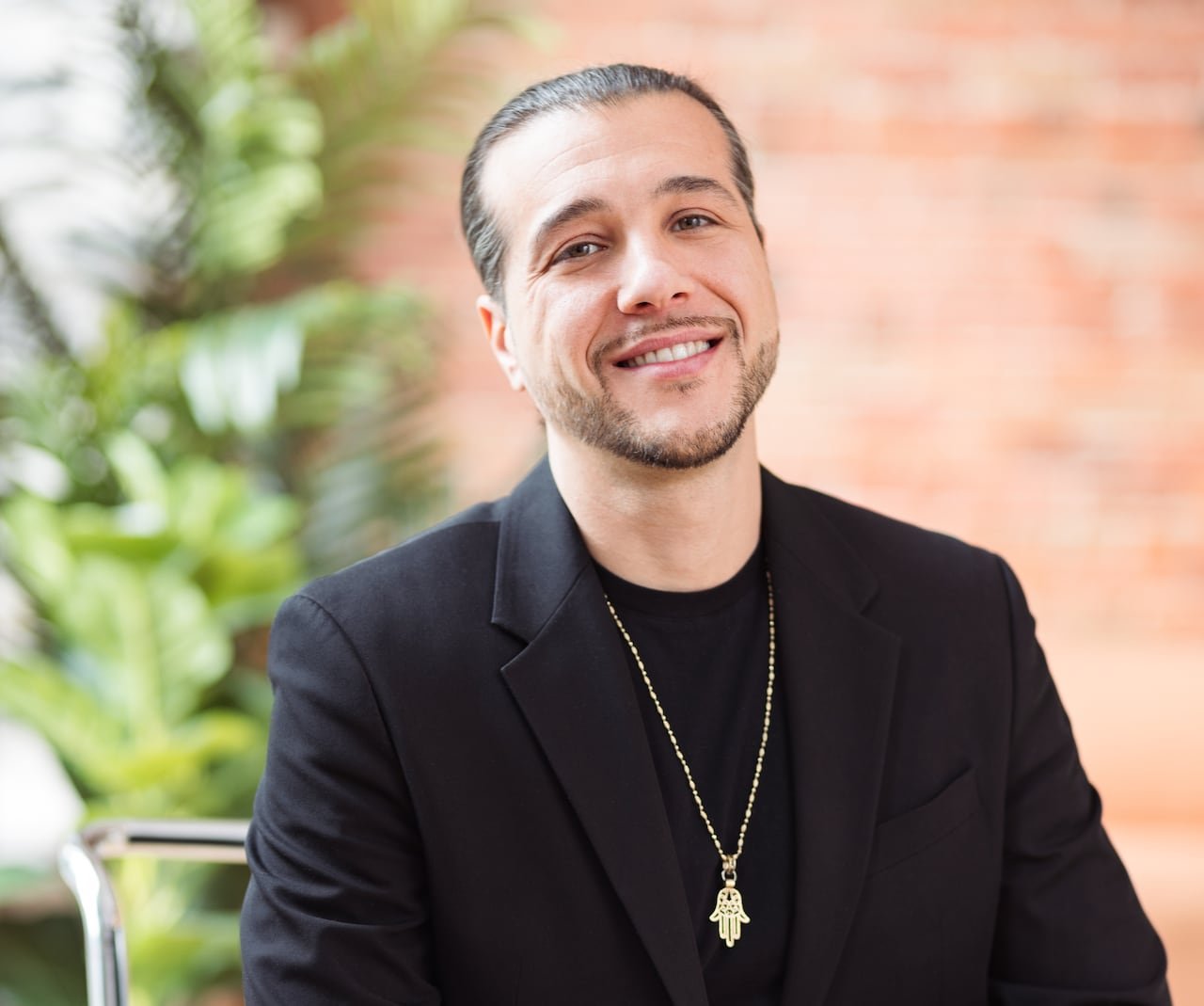
Kara Brisson-Boivin, Director of Research for Media Smarts, believes that a ban could safeguard children from being exploited for financial purposes but acknowledges the importance of not stifling child creativity or autonomy.
While welcoming regulation, Burgos does not endorse a ban, asserting that some parents can create safe environments for their children and that social media has empowered individuals creatively.
Challenges and Considerations
Dahan, the associate professor at Queen’s University, raises concerns about the feasibility and enforcement of a ban on kidfluencers, highlighting the complexities of defining who qualifies as a kid influencer and identifying such content.
He suggests that adopting a legal framework akin to child actors for kidfluencers might be a more practical approach, emphasizing the need to protect children from exploitation.