

The fuel economy standards set by former President Joe Biden have been challenged by U.S. President Donald Trump, who aims to ease restrictions on gasoline-powered vehicles. Trump’s move is in opposition to Biden’s efforts to promote the adoption of electric vehicles, with Trump stating that there is a demand for gasoline cars.
The National Highway Traffic Safety Administration (NHTSA) has proposed a significant reduction in fuel economy requirements for vehicles between 2022 and 2031. The new proposal calls for an average of 34.5 miles per gallon by 2031, down from the previous requirement of 50.4 miles per gallon.
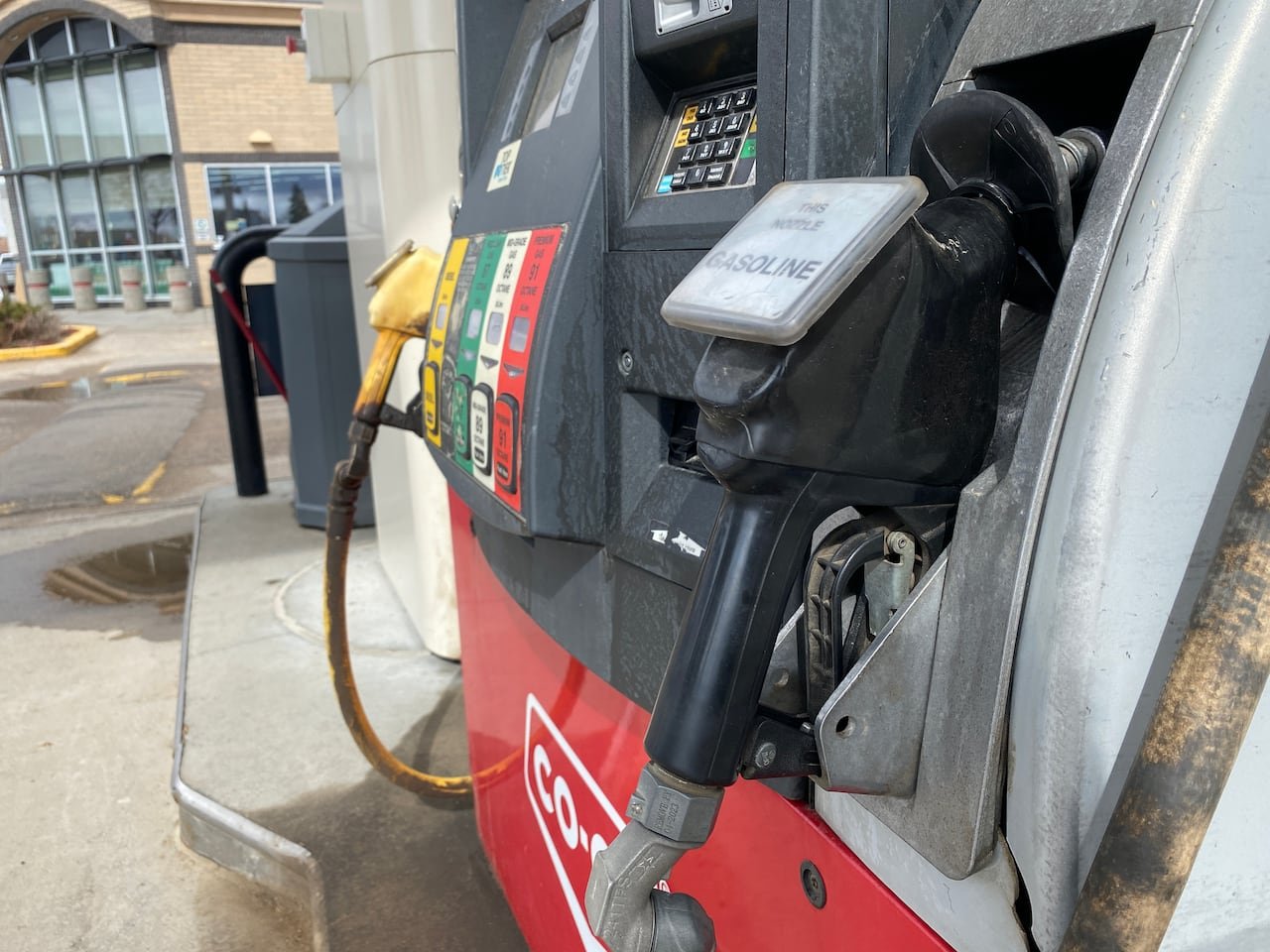
The NHTSA is proposing to adjust the fuel economy standards for 2022 and gradually increase them by 0.25% to 0.5% annually until 2031. Under Biden, the NHTSA had previously raised fuel efficiency by 8% annually for model years 2024-2025 and by 10% for 2026.
Biden’s regulations aimed to encourage automakers to produce more electric vehicles but did not mandate an immediate transition away from gasoline-powered cars.
The estimated impact of the proposed rule includes a reduction in upfront vehicle costs by $930 US on average. However, it is projected to increase fuel consumption by approximately 100 billion gallons by 2050, leading to an additional cost of up to $185 billion for fuel and a rise in carbon dioxide emissions by around 5%.
The revision of past regulations is expected to simplify compliance for automakers, resulting in potential savings of $35 billion until 2031, with major savings for companies like GM, Ford, and Stellantis.
End of Credit Trading Proposed
Additionally, the proposal suggests significant changes to the program, including the elimination of credit trading among automakers by 2028 and the cessation of certain credits for fuel-saving technologies.
NHTSA criticized credit trading as a practice that favored electric vehicle-exclusive manufacturers at the expense of non-electric vehicle manufacturers.
California Governor Gavin Newsom condemned Trump’s plan, stating that it would increase fuel costs for Americans and contribute to air pollution.
Transportation represents the largest share of greenhouse gas emissions in the United States.
NHTSA projected that the rise in vehicle emissions resulting from the proposed rule in 2035 would be equivalent to the annual emissions of 7.7 million vehicles under the Biden administration’s proposal.
Earlier this year, Trump signed legislation eliminating penalties on fuel economy for automakers, with no fines imposed retroactively to the 2022 model year.
The discontinuation of credit trading could impact companies like Tesla and Rivian, who have been selling credits to manufacturers producing gas-powered vehicles.
Trump, alongside the CEOs of Stellantis and Ford, unveiled the proposal at the White House.