John Degen, a Toronto-based writer and president of the Writers’ Union of Canada, will soon release his murder-mystery novel Seldom Seen Road, making him one of the first Canadian authors to feature a “Human Authored” label on the back cover. This certification, developed by the Society of Authors in the UK, allows authors to affirm that their work was created without any assistance from artificial intelligence.
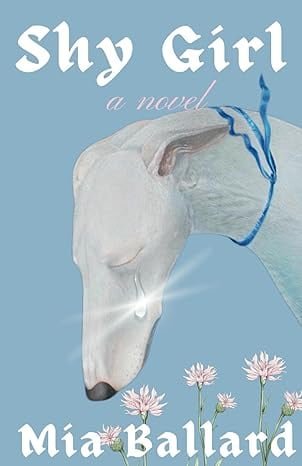
Degen expressed pride in standing behind his work, acknowledging the necessity of such labels in the literary landscape. This initiative comes in the wake of a controversy involving horror writer Mia Ballard, who faced accusations of utilizing generative AI to write her novel Shy Girl, leading to the cancellation of the book’s release by publisher Hachette in the US and UK.
The incident has sparked debate within the industry, with some questioning the accuracy of AI-detection software and its implications for authors. The controversy underscores the challenges faced by literary professionals in distinguishing between AI-generated content and human-authored work.
While the use of AI in writing continues to evolve, platforms like Kindle Direct Publishing and IngramSpark have established guidelines to differentiate between entirely AI-generated texts and AI-assisted works. River AI, a platform enabling writers to utilize AI for editing and proofreading, emphasizes the importance of maintaining the creative integrity of literary works.
Literary agents and publishers are navigating the complexities of AI-generated content, with concerns over potential copyright infringements and the quality of submissions. The surge in AI-generated writing poses challenges for industry professionals in ensuring the authenticity and originality of literary works.
Publishers, agents fielding AI slop
The rise of AI-generated content presents new challenges for industry professionals, with concerns over copyright violations and the influx of AI-assisted submissions. Platforms like Kobo are witnessing a surge in AI-generated works, prompting a closer examination of self-publishing guidelines and content authenticity.