

Employees at a large electric vehicle (EV) battery plant project in southwestern Ontario, which is being funded by the public, have encountered multiple health and safety risks, such as high levels of carbon monoxide, electrical hazards, and flooded parking lots, as per government documents obtained by CBC News.
Records reveal that provincial inspectors have made numerous visits to the site since construction began in 2022, issuing over 100 orders to NextStar Energy, the company managing the project, related to health and safety concerns.
These orders included 10 stop work directives for specific areas until the issues were rectified, with potential penalties and imprisonment for non-compliance under the Occupational Health and Safety Act (OHSA).
NextStar, a collaboration between Stellantis and LG Energy Solution, has addressed all but two recent orders, according to the records.
However, the health and safety frustrations of the workers have reached the provincial government’s cabinet level, as indicated by Andrew Dowie, a member of the provincial parliament (MPP) representing Windsor—Tecumseh.
Lately, Labour Minister David Piccini met with the construction trade unions involved in the project, where health and safety concerns were raised, Dowie mentioned.
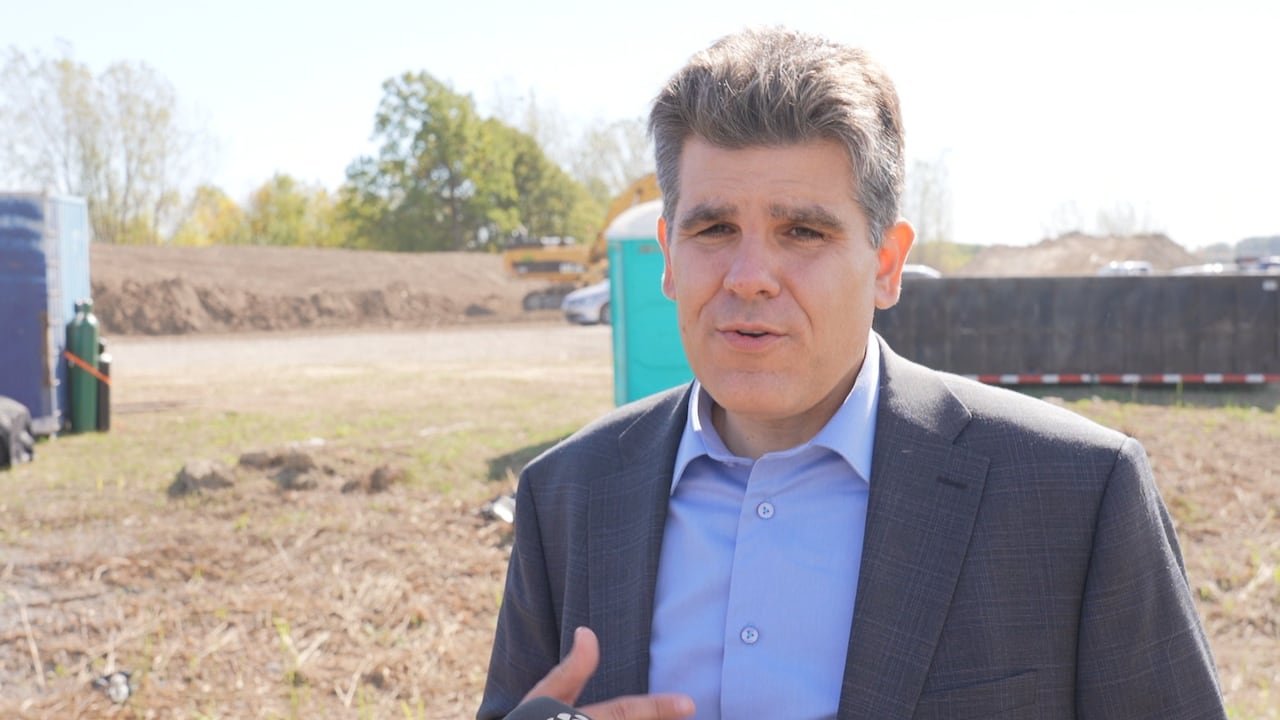
“The minister suggested potential solutions for review by labor, including having a stronger presence of labor inspectors on-site more frequently,” Dowie stated last week.
“Hence, the local building trades will assess and decide on the direction they wish the province to take at a later point.”
These concerns add to a series of issues raised by Canadian workers and companies regarding the battery plant, expected to generate around 2,500 jobs and receiving substantial incentives from provincial and federal governments.
Recently, NextStar completed the construction phase officially, emphasizing its pride in the progress made on the facility, Canada’s first large-scale battery manufacturing plant, spanning 4.23 million square feet.
The company reiterated its commitment to meeting or surpassing industry standards, with the recent occupancy permit reflecting this dedication.
Furthermore, NextStar celebrated achieving eight million safe work hours, despite reported injuries, highlighting its zero lost-time injury record since the project’s inception as a testament to its safety commitment.
Regarding the definition of safe work hours, a company spokesperson indicated that industry standards dictate these measures, with Alberici-Barton Malow (A-BM), the project’s general contractor, implementing a robust Early and Safe Return to Work Program.</