

In an intensifying conflict with the Trump administration, ABC filed a lawsuit against the Federal Communications Commission on Tuesday, invoking First Amendment rights and asserting that the agency’s request for an expedited review of broadcast licenses represents an “existential threat” to its operations.
In the legal action, ABC, its parent company Disney, and eight local stations affected by the license review sought a federal court’s intervention to halt the early renewal process.
The FCC, led by chairman Brendan Carr, a supporter of President Donald Trump, initiated the early review of the eight licenses belonging to ABC in April — a move rarely seen — prior to their scheduled expiration.
The agency cited the network’s diversity practices as justification, but this action coincided with a joke made by ABC’s late-night host Jimmy Kimmel, known for his criticism of Trump, which provoked the president’s anger.
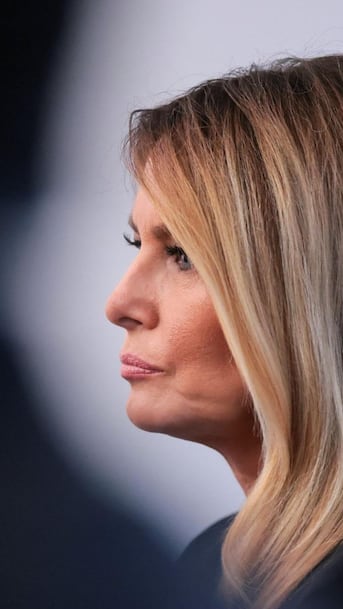
Melania Trump criticized late-night host Jimmy Kimmel after his remark referring to her as an ‘expectant widow’ just two days prior to a shooting at the White House Correspondents’ Dinner. In a post on X, the First Lady urged the ABC Network to address his ‘atrocious behavior,’ stating, ‘Individuals like Kimmel should not have the opportunity to invade our homes nightly to spread hate.’
“Time and again, the administration has targeted ABC’s expression — the stories reported by its journalists and the perspectives aired on its network,” the lawsuit claims. “These attacks have evolved into explicit demands for ABC to be stripped of its broadcast licenses due to its speech.”
“Confronted with this existential threat,” it further stated, “the plaintiffs have no option but to pursue legal recourse from the judicial system in response to the administration’s overt retaliation against their First Amendment rights.”
It argued that ABC had “no alternative means to eliminate these ongoing and immediate threats other than total capitulation to the administration’s demands.”
The network requested the court to “immediately prevent the defendants from taking or threatening any action against the plaintiffs regarding the early license renewal applications.”
Previous Conflicts
The early license review represents just one aspect of a protracted dispute between ABC and the FCC.
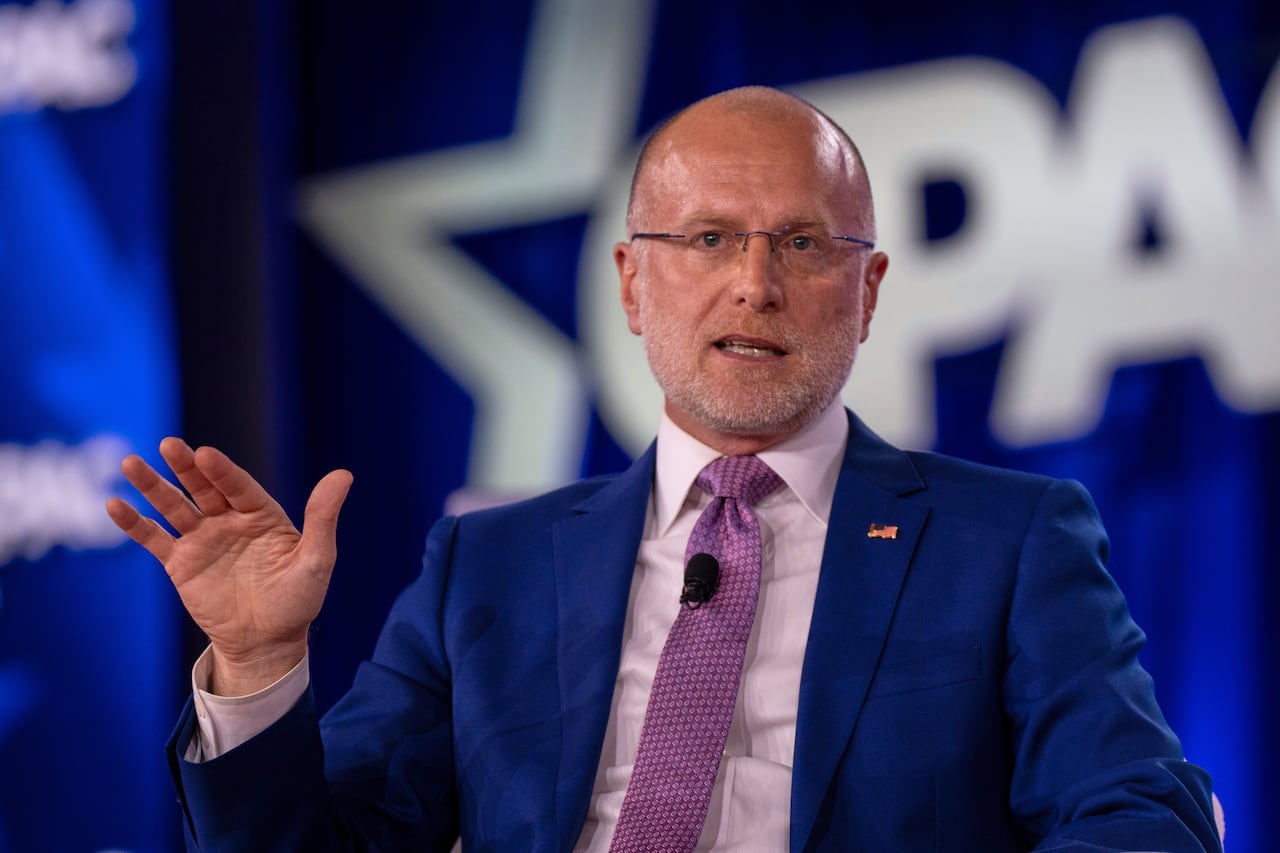
Brendan Carr, chairman of the Federal Communications Commission, speaking at the Conservative Political Action Conference in Dallas in March, has defended his agency’s actions against ABC. (Gabriela Passos/Associated Press)
The network has also contested Carr’s attempts to impose equal-time rules on the morning talk show The View, which frequently features hosts and guests critical of Trump. ABC maintains that the agency had previously ruled in its favor on this issue over twenty years ago.
The lawsuit filed on Tuesday also discussed implications that extend beyond a single network.
“The repercussions of the administration’s assault on free speech extend far beyond ABC,” the document stated.
“If the administration achieves its objectives, the message to every media organization in the country will be clear: only report the stories that the administration finds favorable, or face the coercive forces of the federal government. In such an environment, the media could not be described as free in any sense.”
It continued: “The FCC chairman has made his intentions unmistakably clear.”
FCC Democrat Praises Lawsuit
Anna Gomez, the only Democrat on the commission, applauded ABC and Disney for resisting the FCC’s actions.
“For months, the FCC has been conducting a campaign of censorship and control against Disney’s ABC stations,” she stated, “leveraging the threat of revoking broadcast licenses to retaliate against a company for expressing views this administration disapproves of.”
“I have consistently urged companies to stand against this type of government intimidation, and I commend Disney for demonstrating courage and taking a stand,” she expressed. “This should serve as a positive indication for every broadcaster who has felt the pressure of this overreaching government in silence.”
In late July, Carr defended the actions of his agency against ABC, stating that broadcasters are obligated to “operate in the public interest.” He emphasized that the FCC was merely attempting to restore that standard.
According to Carr, broadcasters like ABC “made a deal with the American public. You broadcasters receive subsidized access, free access to a valuable public resource, the airwaves, worth billions of dollars. In return, you must operate in the public interest.”
“As a nation, we should have a credible, respected news media, and we haven’t achieved that,” Carr remarked. “So I hope more broadcasters fulfill their public interest responsibilities.”
On Tuesday, an FCC representative reiterated this stance.
“All broadcasters are legally required to operate in the public interest — even Disney,” stated the commission in response to the lawsuit.
“The FCC has been investigating allegations that Disney engaged in illegal DEI [diversity, equity, and inclusion] discrimination for over a year. Disney is clearly very concerned about the FCC’s proceedings, as shown by their ongoing campaign of misinformation and their choice to seek a court order to stop the FCC from further pursuing these matters. The FCC will persist in following the facts and the law wherever they may lead.”