

El Califa de Leon in Mexico City proudly displays a framed print of a newspaper page featuring a sketched portrait of the late presidential candidate, Luis Donaldo Colosio, alongside two red Michelin star plaques. Colosio’s assassination on March 23, 1994, resonates deeply in Mexican history, akin to the impact of President John F. Kennedy’s killing in the United States.
Angel Rodríguez Ávila, the chef at El Califa de León, reminisced about serving Colosio at the taco stand, a place frequented by the candidate before his tragic demise. Rodríguez Ávila reflected on the unresolved mysteries surrounding Colosio’s assassination, suggesting that some truths may be better left unknown.
Recently, Mexican authorities apprehended a 64-year-old man, Jorge Antonio Sánchez Ortega, in connection with Colosio’s murder, introducing a new dimension to the intricate narrative of this pivotal event in Mexico’s recent past.
The arrest of Sánchez Ortega, a former intelligence officer, challenges the conventional official account of Colosio’s death and raises the possibility of an internal conspiracy behind the assassination.
The administration under President Claudia Sheinbaum is pushing for a comprehensive investigation and potential prosecution of Sánchez Ortega to unravel the complexities surrounding Colosio’s killing.
While the Attorney General’s Office declined to comment on the developments, Sen. Luis Donaldo Colosio Riojas, the son of the slain candidate, refrained from providing any statements on the recent arrest.
‘Mother-of-all historical truths’
For decades, the official narrative has attributed Colosio’s assassination to a lone gunman, Mario Aburto, based on video evidence from the scene. However, alternative theories, including the involvement of a second shooter, have persisted, fueling ongoing debate and skepticism surrounding the case.
The arrest of Sánchez Ortega has reignited discussions about the possibility of a broader conspiracy behind Colosio’s murder, challenging the established version of events.
Sánchez Ortega’s background as an intelligence officer and his alleged connection to the assassination site have raised suspicions of a more elaborate plot involving state actors or associates.
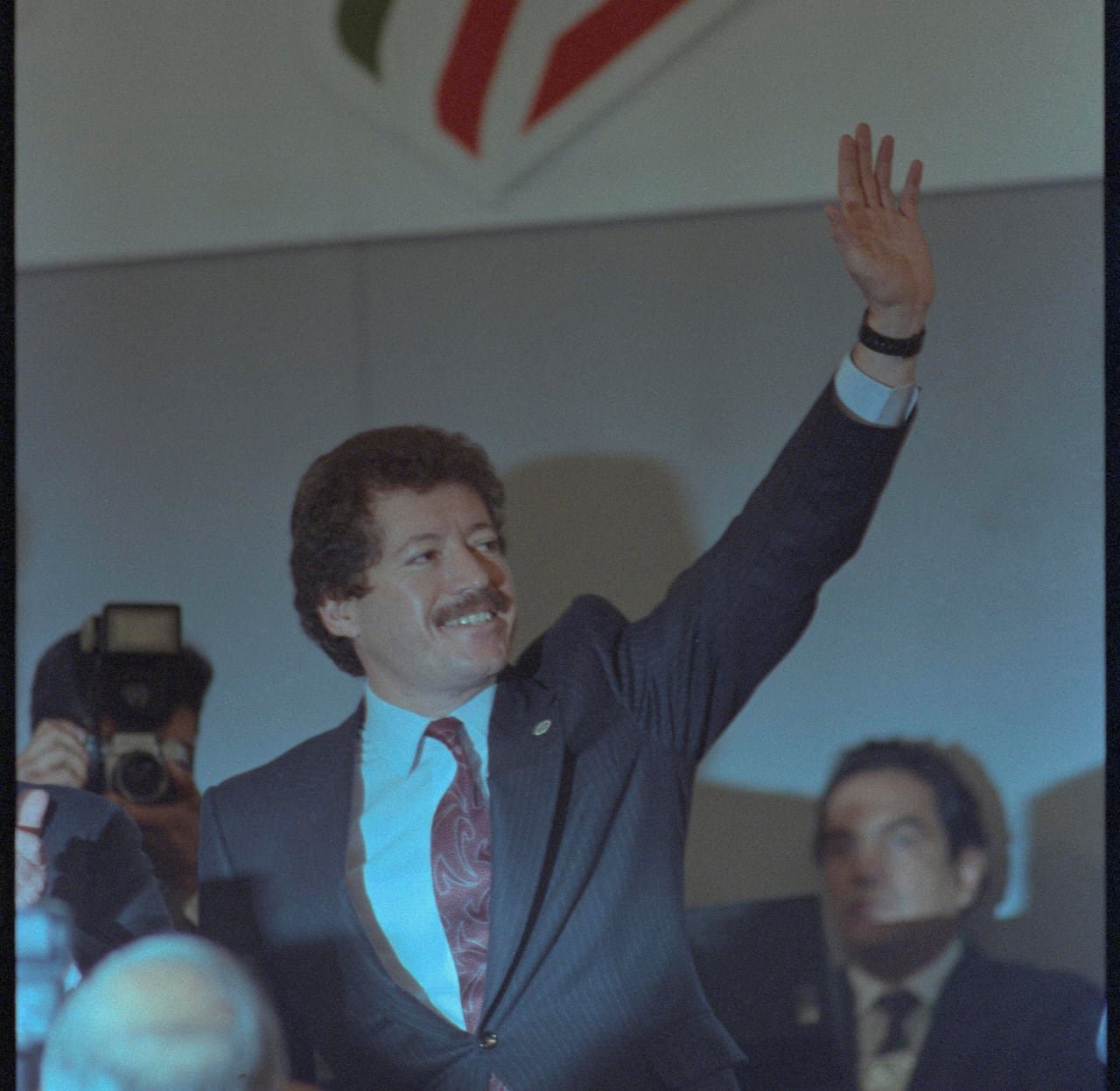
Despite previous investigations ruling out Sánchez Ortega as a suspect, the recent developments suggest a renewed effort to explore alternative narratives and pursue justice in a case that has captivated the Mexican public for years.
Sheinbaum’s administration is actively challenging long-standing assumptions and pursuing a fresh perspective on the events leading to Colosio’s tragic death, signaling a potential shift in the official stance on the case.
As the legal proceedings unfold, the intricate details of Colosio’s assassination continue to captivate the nation, prompting reflections on the broader implications and historical significance of this unresolved chapter in Mexico’s political history.
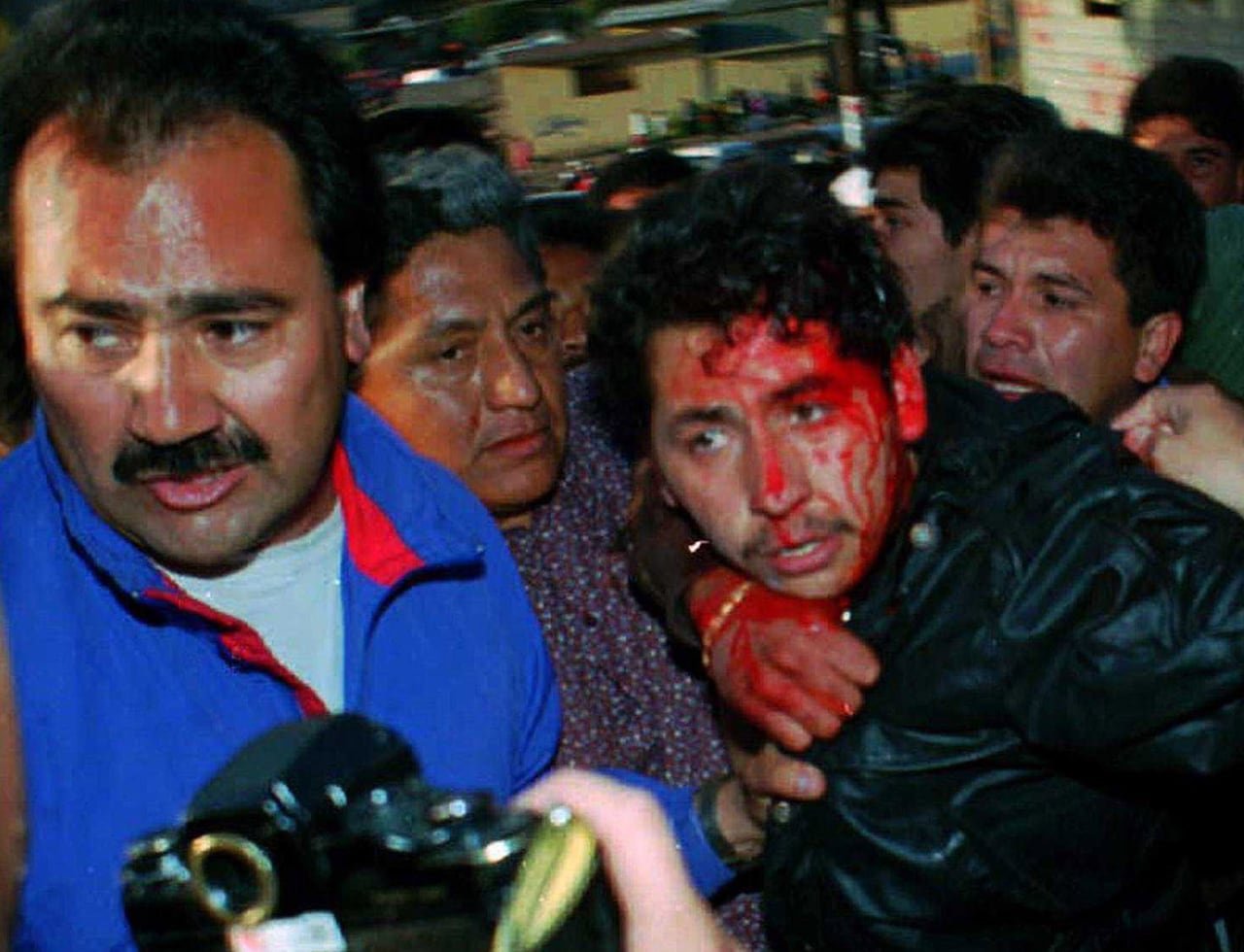
The evolving narrative surrounding Colosio’s assassination reflects a broader quest for truth, justice, and historical clarity, as Mexico grapples with the legacy of a pivotal moment that forever altered the country’s political landscape.
Weaving its own theory
The unfolding investigation into Sánchez Ortega’s alleged involvement in Colosio’s killing underscores the complexity and intrigue surrounding one of Mexico’s most enduring mysteries.
Claims of a second shooter and potential state involvement have reignited speculation and debate, challenging established beliefs and prompting a reassessment of the events leading to Colosio’s tragic demise.