

Canada’s prominent vaccine hub marks its 50th anniversary this week amidst concerns over changes in U.S. policies and funding reductions that could disrupt the global battle against diseases, according to experts.
Virologist Angela Rasmussen warned that the elimination of U.S. capacity and investment in vaccine development will have a profound impact on researchers worldwide, extending beyond vaccine hesitancy issues.
Rasmussen, based at the Vaccine and Infectious Disease Organization in Saskatoon, expressed her worries in an interview.
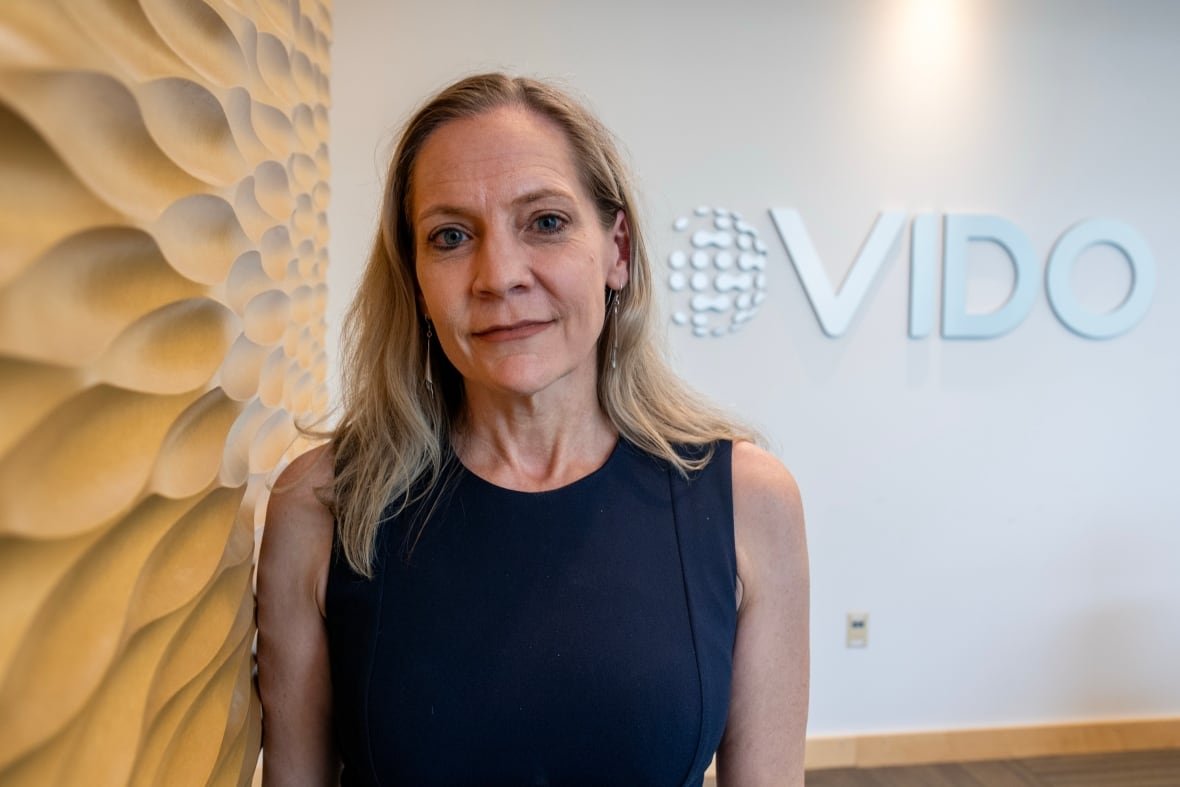
Another virologist, Dr. Arinjay Banerjee, who receives funding from the U.S.-based National Institute of Allergy and Infectious Diseases for his lab, emphasized the need for Canada to fill the void caused by U.S. uncertainties.
He stated, “It’s an opportunity for us to step up and fill the gap that’s being created globally.”
The organization, abbreviated as VIDO, is situated on the University of Saskatchewan campus, spanning four hectares. Initially established as a livestock lab on the Prairies, it has evolved into a leading global center for infectious disease research.
Established in 1975, VIDO houses over 200 scientists and staff and plays a vital role in the worldwide fight against pandemics.
It is a participant in the “100 Days Mission,” endorsed by G20 nations, aimed at developing new vaccines within 100 days of identifying a pandemic threat.
During the onset of the COVID-19 pandemic, VIDO was pivotal in isolating SARS-CoV-2 from the first case in Canada and was the first site in the country to advance a potential vaccine to clinical trials.
However, aspirations to build on these achievements have been dampened by the reduction in funding by the administration of U.S. President Donald Trump, with billions of dollars in grants from the National Institutes of Health slashed.
Rasmussen highlighted that the National Institutes of Health had a budget of $48 billion US last year, the largest globally, providing financial support for her research alongside the Canadian Institutes of Health Research, which invests around $1 billion annually.
She stressed the necessity for increased government investment, indicating that private foundations and other governments, including Canada, lack the substantial funding required.
VIDO stated that it will evaluate the potential financial impact resulting from disruptions in U.S. funding and is extending assistance to researchers facing grant cuts, ensuring the continuity of critical research activities.
Vaccine Hesitancy
Rasmussen attributed the funding cuts to vaccine hesitancy spurred by Trump’s health secretary, Robert F. Kennedy Jr.
She pointed out that Kennedy had suspended funding for mRNA vaccine projects, claiming their safety is questionable, a notion refuted by researchers. Rasmussen labeled this as a deliberate tactic to misinform people, emphasizing the challenge of combating disinformation faced by scientists of this generation.
She emphasized that transparency in VIDO’s research activities is vital in building public trust.
“We can achieve this by creating effective vaccines and by maintaining integrity in explaining their importance and the number of lives they can