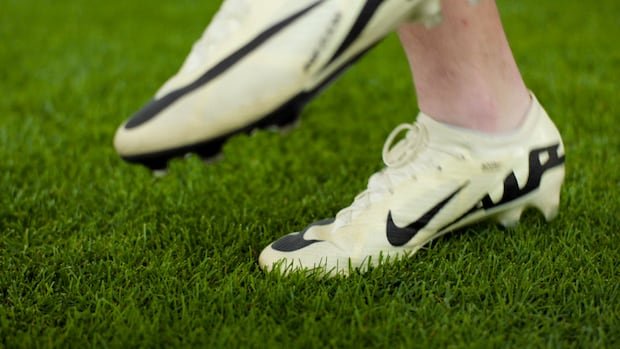

Following the first FIFA World Cup 2026 match in Vancouver, Australian goalkeeper Patrick Beach was not only impressed by the crowd and atmosphere but also by the quality of the grass on the field.
Beach expressed his satisfaction with the pitch after the game against Turkey on June 14, stating, “The pitch was of great quality tonight, especially when it was nice and wet. The ball was rolling really well.” He further mentioned the positive reactions of the players during the pitch inspection upon their arrival.
John Sorochan, a University of Tennessee distinguished professor born in Calgary, was delighted to hear Beach’s feedback as it validated the years of dedicated research and testing that went into preparing the fields for the World Cup. Sorochan and his team were responsible for overseeing the installation and maintenance of the grass pitches across all 16 World Cup stadiums situated in three different countries.
“This endeavor demanded extensive effort, dedication, and sleepless nights,” Sorochan shared with Day 6 host Brent Bambury.
Thorough Testing Process
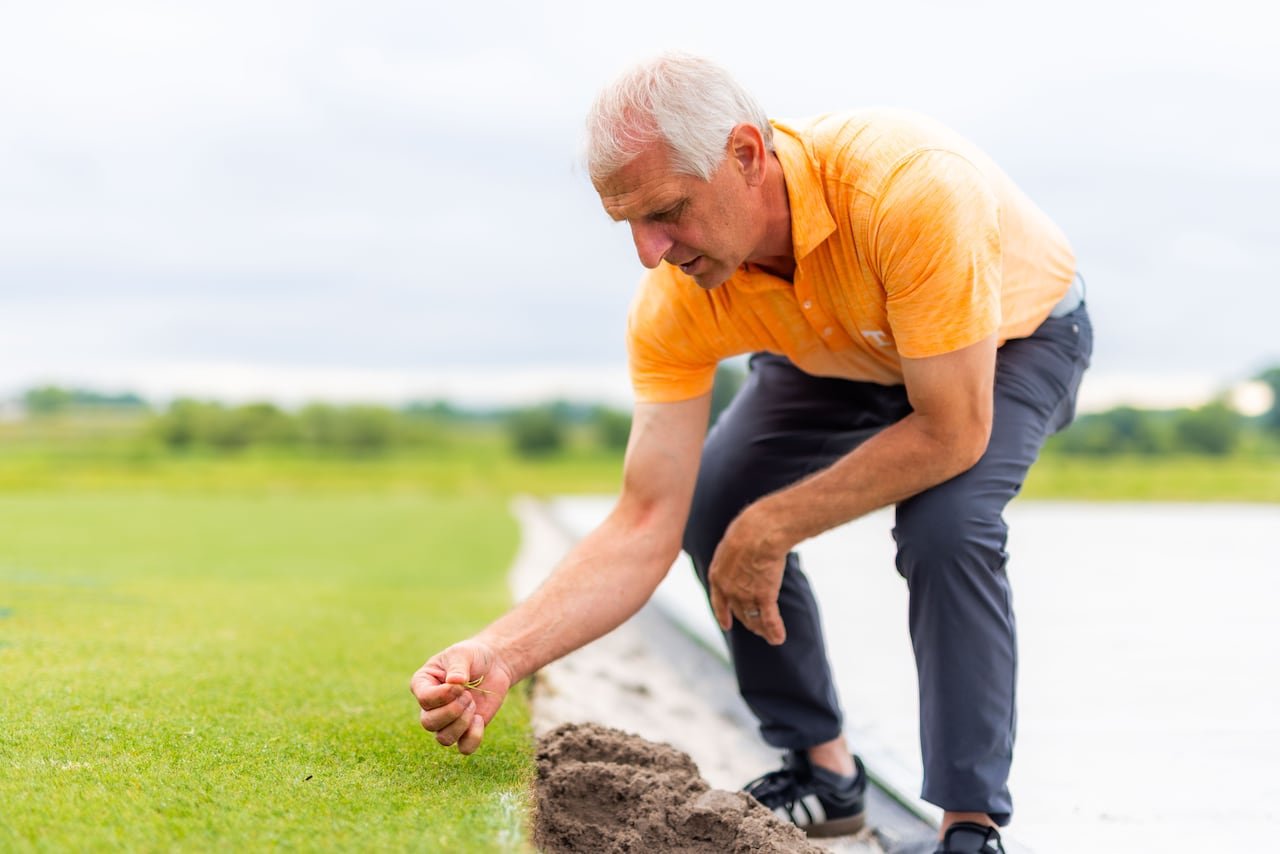
Alan Ferguson, FIFA’s senior pitch manager, approached Sorochan in London with the task of developing the fields for the World Cup during a casual meeting over tea and biscuits. Sorochan accepted the challenge, and in collaboration with Michigan State University, his team at the University of Tennessee embarked on the extensive project that spanned five years.
The initial phase involved analyzing the ball’s interaction with the turf surface to ensure optimal playing conditions. Sorochan explained, “Our goal was to achieve a balance where the ball doesn’t bounce excessively high or low off the surface.”
To achieve this, they utilized a training machine typically used by goalkeepers to simulate ball impacts on the grass. High-speed cameras and radar detectors were employed to measure various parameters such as impact speed and angle, as well as post-bounce velocity and angle.
In addition, they developed a machine featuring a 3D-printed foot with a cleat to assess the turf’s response to player movements like running and cutting. This machine also simulated the sensation of a 172-pound soccer player, the average weight of World Cup athletes from recent events, running on the field under different mowing conditions.