

We appreciate the engagement from our audience, and we encourage you to share your questions regarding wildfires and air quality with us. Feel free to reach out to us at ask@cbc.ca
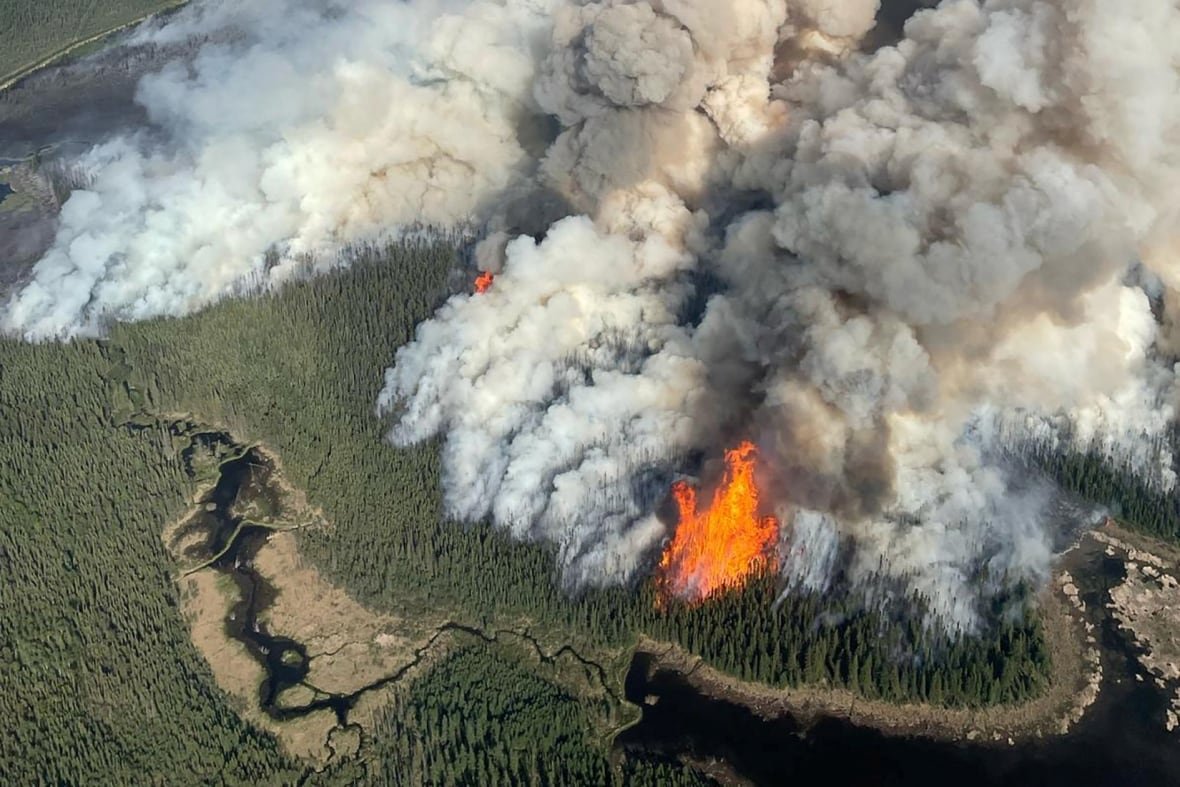
This year has seen the second-highest wildfire season in Canadian history since 2023, as reported by the most recent data from the Canadian Interagency Forest Fire Centre (CIFFC) and Natural Resources Canada. Experts and emergency responders caution that this trend serves as a preview of future scenarios due to the accelerating impacts of climate change.
Adapting to the increasing frequency of wildfires and deteriorating air quality, CBC News enlisted the expertise of Johanna Wagstaffe, a meteorologist, seismologist, and scientist from CBC, alongside Laura Lynch, host of CBC’s What On Earth, to address your inquiries through a special session.
Is it probable to face this situation every summer?
Certainly— and the situation is expected to exacerbate.
“We are observing prolonged, hotter, and drier seasons worldwide, notably in Canada, leading to more severe wildfire seasons,” Wagstaffe explained.
The World Weather Attribution Group, comprising meteorological experts, promptly assesses weather data to determine the extent of climate change influence on various weather events. This rapid analysis aids in establishing direct links between adverse wildfire seasons globally and climate change.
“These consecutive unprecedented seasons are becoming more frequent, and while I am hesitant to label it a ‘new normal’ as the situation continues to evolve, unfortunately, this is the reality we face,” Wagstaffe emphasized.
How is the amount of smoke in the air quantified?
Assessing smoke concentration is a nuanced process.
Canada predominantly employs the Air Quality Health Index (AQHI) to provide a comprehensive overview of air quality. The country has monitoring stations distributed nationwide, verified by experts, many of which are stationed on the ground to sample and evaluate air composition.
The analysis includes scrutiny of fine <a href="https://www.canada.ca/en/environment-climate-change/services/air-pollution/pollutants/common-contaminants/particulate-m