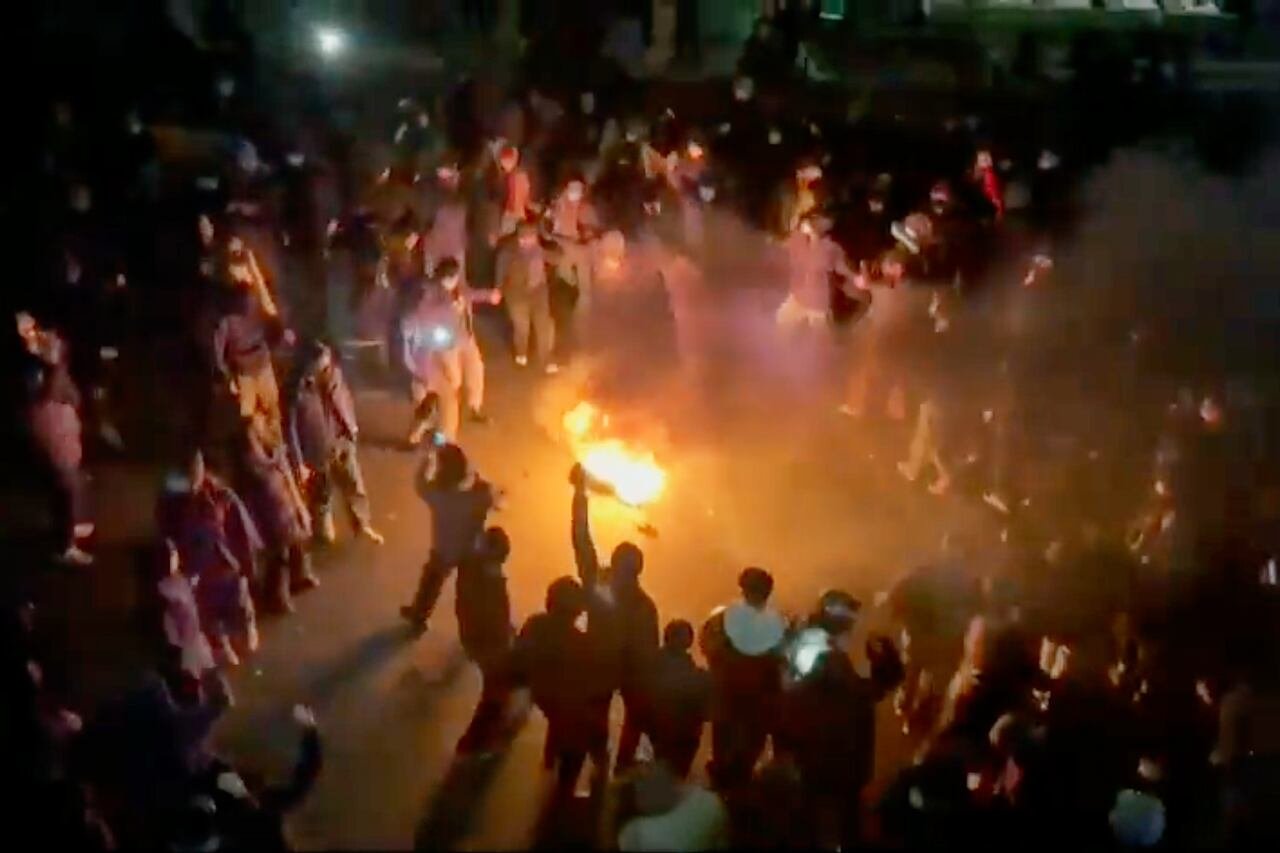
Activists reported that the death toll from nationwide demonstrations in Iran had surpassed 2,500 individuals by early Wednesday, marking a level of violence unprecedented in the country for many years.
The U.S.-based Human Rights Activists News Agency (HRANA), known for its accurate reporting on previous unrest, disclosed that 2,571 people had lost their lives, with 2,403 being protesters, 147 government-affiliated, and twelve children among the casualties. Additionally, the group stated that over 18,100 individuals had been detained during the protests.
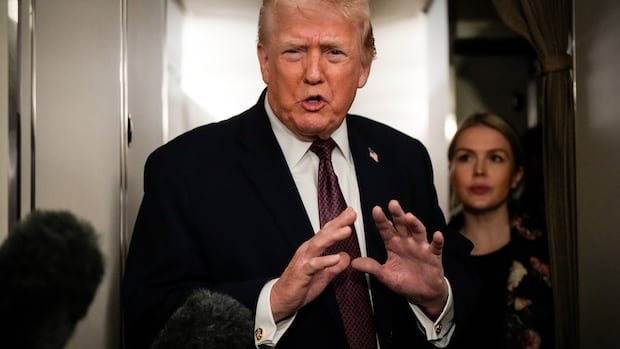
While the reported death toll continued to rise, U.S. President Donald Trump encouraged Iranian protesters to persist, vowing not to engage with Iranian officials until the violence ceased. However, he later mentioned the need for accurate information on the casualties before taking further action.
Iran’s government has refrained from releasing comprehensive casualty figures, only acknowledging a high death toll after reports by HRANA activists. With internet disruptions in Iran, assessing the situation from abroad has become increasingly challenging.
Banks vandalized amid turmoil
Following a period of isolation from the outside world, Iranians were able to make international calls on mobile phones for the first time in days, shedding light on the heavy security presence in central Tehran. Witnesses described anti-riot police and Revolutionary Guard members equipped with various weapons and stationed at major intersections.
Reports indicated that several banks and government offices were set ablaze during the unrest, with ATMs vandalized. Transaction difficulties arose due to the internet blackout, impacting daily operations.
Get the latest on CBCNews.ca, the CBC News App, and CBC News Network for breaking news and analysis.
Despite shops being open, foot traffic in Tehran was minimal. The Grand Bazaar was set to resume operations, although shopkeepers revealed they were compelled by security forces to reopen against their will.
Fears of a potential U.S. military strike persisted, alongside Trump’s statements on negotiation possibilities with Iran. Concerns over the protests and the international response remained prevalent among Iranians.
Apartment searches and satellite dish crackdown
Residents in northern Tehran reported security personnel searching for Starlink terminals, while plainclothes officers conducted random stops on the streets. State television announced free mortuary services, indicating potential exploitation during the crackdown.