

The environment in space is extremely challenging, characterized by a lack of atmosphere, freezing temperatures, intense ultraviolet radiation, and minimal oxygen levels.
Japanese scientists have identified a type of moss that demonstrates remarkable resilience to these harsh conditions.
In a recent study released on Thursday, researchers sent a species of moss known as Physcomitrium patens to the International Space Station (ISS) for a nine-month experiment in the space environment, exposing it to the rigors of outer space rather than the controlled conditions inside the station.
The study focused on three developmental stages of the moss: protenemata (young moss), brood cells (specialized stem cells), and sporophytes (reproductive structures containing spores).
While not all stages survived the space conditions, the juvenile moss struggled to withstand the high UV radiation and extreme temperature fluctuations. In contrast, the brood cells exhibited a higher survival rate enduring freezing temperatures for 30 days, with 80% of the sporophytes managing to survive.
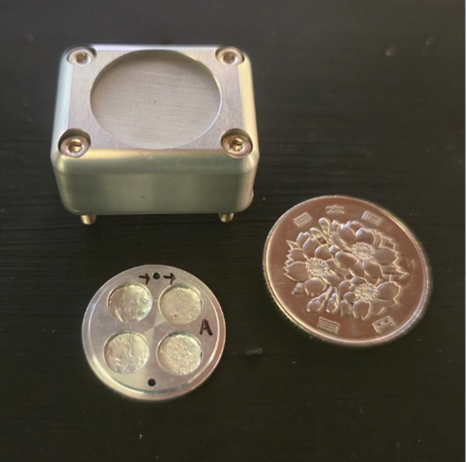
The lead researcher, Tomomichi Fujita, a professor at Hokkaido University, emphasized that the moss could endure prolonged exposure in space without growth. Upon returning to Earth, approximately 90% of the spores successfully germinated and thrived in a laboratory environment.
Further investigations are warranted to assess any potential alterations in the spores during their space journey.
Botanical Experiments in Space
Exploration of the adaptability of multicellular organisms in space, particularly plants, has been a longstanding endeavor.
Plant cultivation is already established on the space station.
These experiments are crucial for future human habitation on celestial bodies like the moon and Mars, where sustainable agriculture will be essential for sustenance and potentially mental well-being.
Catherine Neish, an associate professor at Western University, highlights the psychological benefits of cultivating plants in space, emphasizing the positive impact on astronauts’ mental health and well-being.
Neish, in collaboration with Nima Abbaszadeh in 2024, conducted a study on plant growth in lunar and Martian regolith, successfully managing plant growth in lunar soil with added nutrients despite the challenges presented by Martian soil.
Fujita’s choice of Physcomitrium patens for space experimentation stemmed from its robust nature.
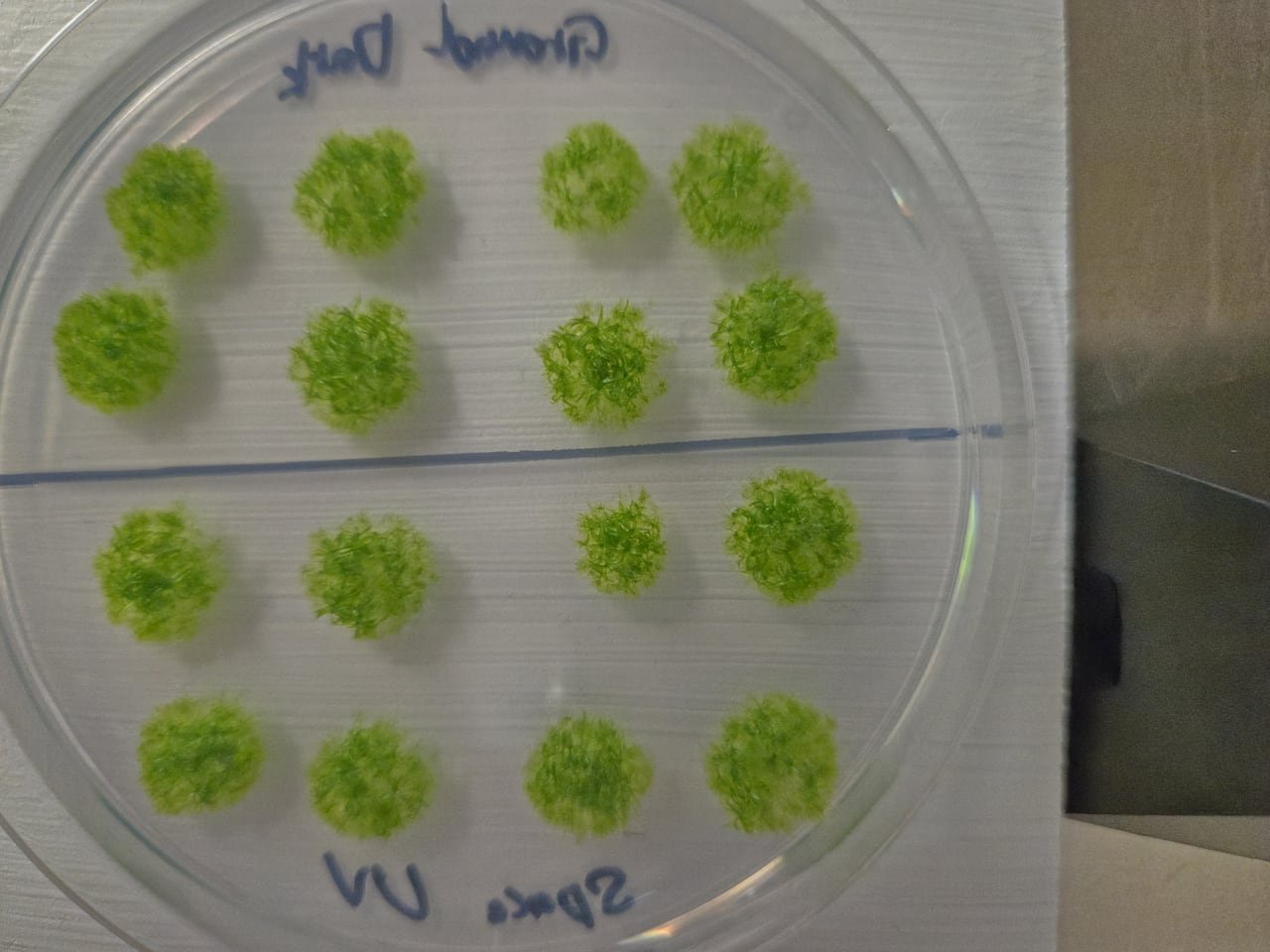
The researchers hypothesize that the protective structure surrounding the spores shields them from extreme space conditions, potentially absorbing harmful UV radiation and safeguarding the spores from damage.
This protective mechanism could shed light on the evolutionary transition of bryophytes, a resilient moss group, from aquatic to terrestrial habitats around 500 million years ago.
Fujita envisions that these findings could contribute to establishing sustainable ecosystems on extraterrestrial bodies such as the moon and Mars, setting the groundwork for future space exploration endeavors.