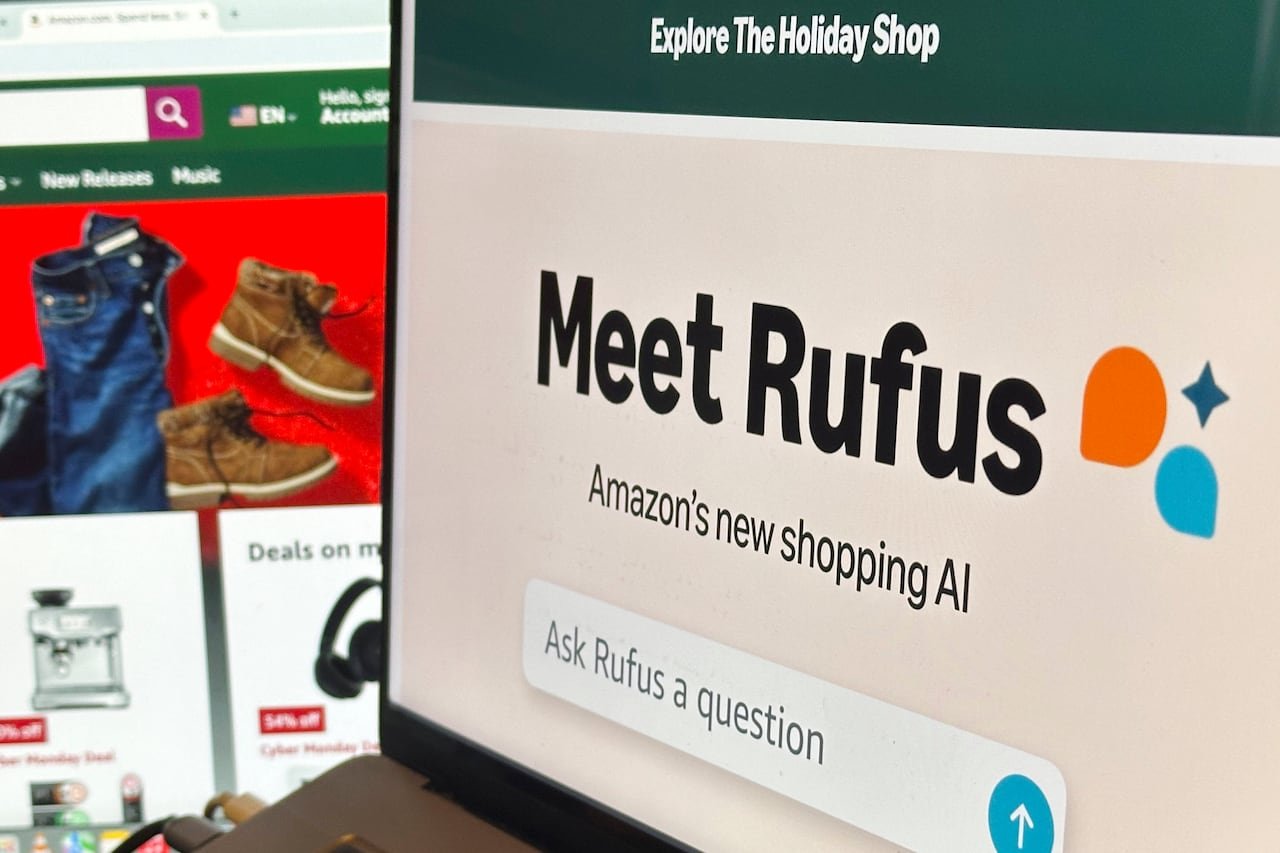
Many consumers already utilize artificial intelligence (AI) for tasks like recommending budget-friendly sneakers or comparing product specifications. Retailers offer various AI companions, such as Walmart’s Sparky, Amazon’s Alexa for Shopping, and chatbots like OpenAI and Gemini, to assist with research and suggestions.
Now, retailers are exploring the concept of AI agents making purchases on behalf of customers without requiring manual confirmation. For instance, Amazon’s Alexa for Shopping now permits U.S. users to automatically buy a product when its price drops below a certain threshold.
Recently, Robinhood introduced a feature enabling users to delegate stock trading decisions to AI agents. Additionally, Google unveiled a new capability in their payments protocol that will allow AI tools to make purchases based on specified criteria like brand and price through their new AI agent, Gemini Spark.
The primary objective is to establish stringent guidelines to ensure that AI agents only purchase products that align with the consumer’s preferences.

Google’s Josh Woodward emphasized the importance of implementing restrictions akin to a teenager’s first debit card to ensure controlled AI purchasing. Cybersecurity analyst Ritesh Kotak views current advancements as initial steps towards a fully automated shopping experience driven by AI.
However, industry experts highlight challenges related to privacy, standards, and consumer trust that need resolution before widespread adoption. One major obstacle is navigating the complexities of agentic checkout, which lags due to various challenges like split shipping, installment payments, and ID verification requirements.
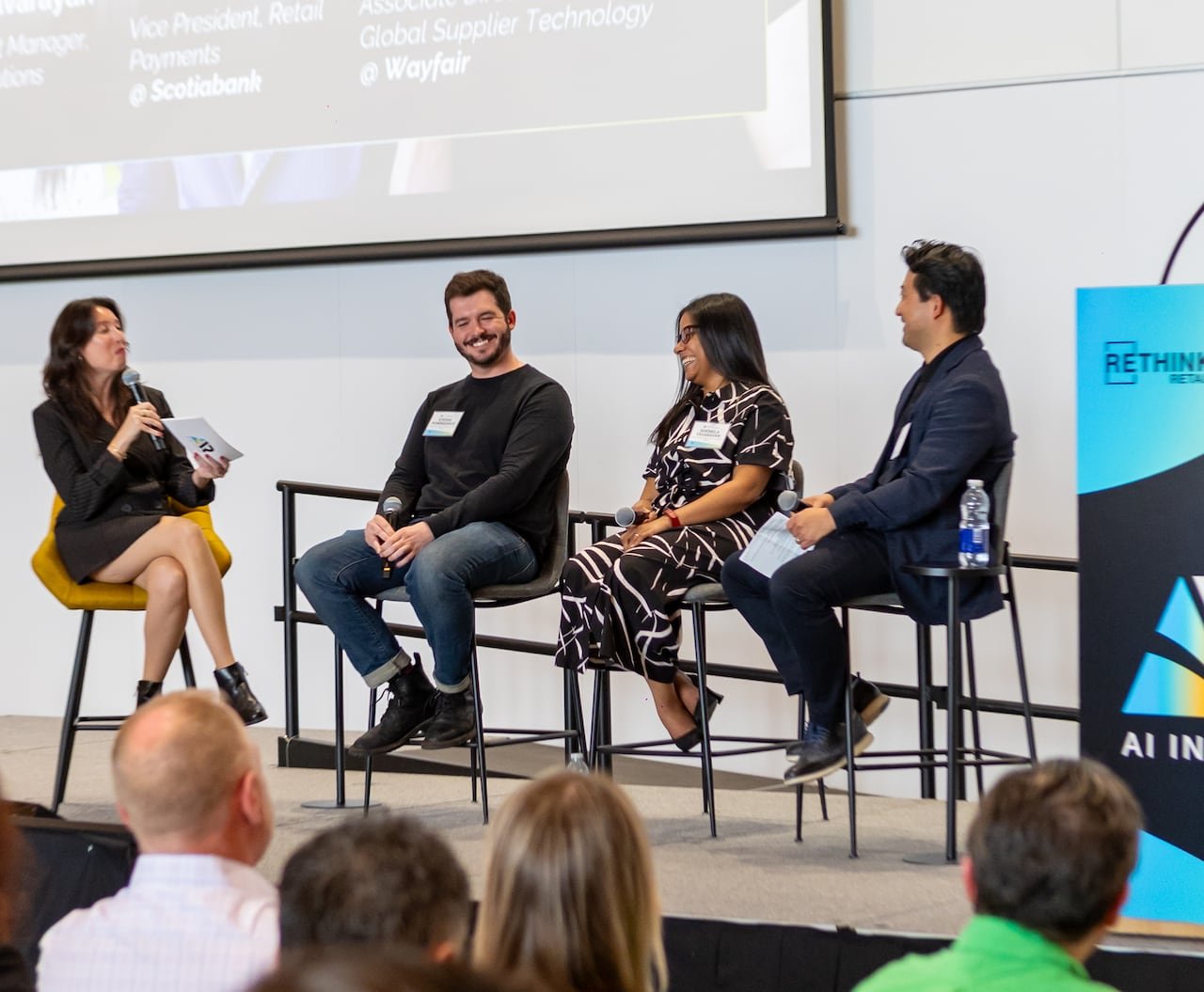
AI agents often encounter challenges with security measures like CAPTCHAs, hindering seamless transactions. Shenela Tavarayan of Interac emphasizes the need for consumer consent as AI-driven purchases introduce potential errors.
Concerns regarding cybersecurity vulnerabilities arise, necessitating safeguards against unauthorized purchases from untrusted websites. Kotak warns of potential exploitation by malicious entities to manipulate AI agents into making unwanted transactions.
Establishing standards by cybersecurity professionals, financial institutions, and merchants is vital to address these issues. Initiatives like Visa’s Agentic Ready program aim to test agentic payments before widespread implementation.
Do shoppers want it, anyway?
Despite ongoing developments, consumer acceptance of AI-driven transactions remains a challenge. Bain & Company’s 2025 research revealed that around half of American consumers were uncomfortable with AI completing transactions autonomously.