

A report released by Human Rights Watch on Tuesday revealed that drones operated by Haitian security forces and private contractors have caused the deaths of 1,243 individuals and injured 738 others within a span of less than a year.
Among the casualties, 17 were children and 43 were adults not associated with any criminal organizations. The incidents occurred between March 1, 2025, and Jan. 21, 2026, with the deadliest drone operation resulting in the deaths of 57 individuals.
Human Rights Watch’s Americas director, Juanita Goebertus, urged Haitian authorities to take immediate action to control the security forces and contractors to prevent further loss of innocent lives.
Notably, the number of armed drone attacks in Port-au-Prince, a city predominantly controlled by gangs, has surged in recent months, with 57 reported between November and late January, marking a significant increase compared to the 29 attacks reported from August to October the previous year.
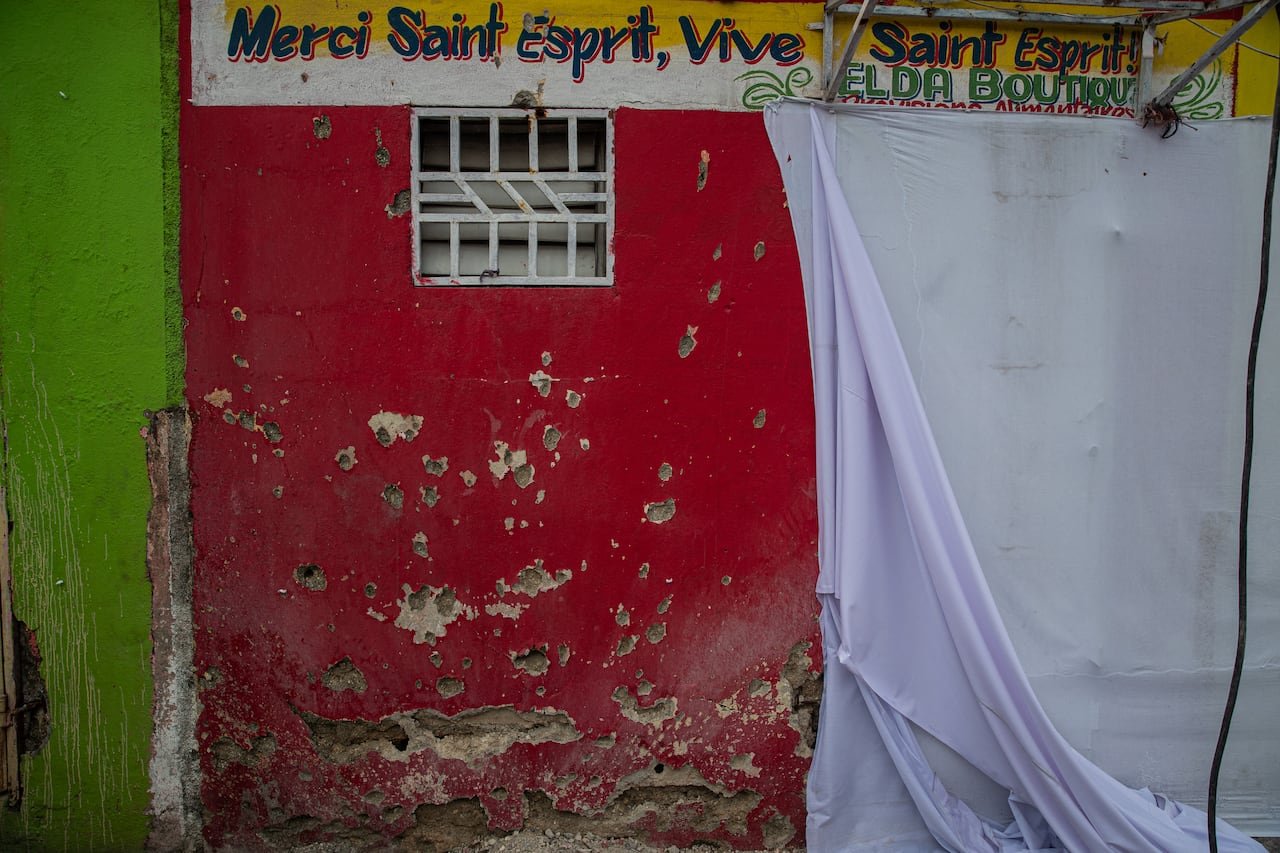
Human Rights Watch confirmed the authenticity of seven videos showing armed quadcopter drones in action, with four of them geolocated to Port-au-Prince, indicating the use of drones armed with explosives targeting individuals and vehicles without clear evidence of imminent threats.
The organization emphasized that the widespread use of drones was not observed among criminal groups in Haiti.
One tragic incident highlighted in the report occurred in the Simon Pele neighborhood on Sept. 20, 2025, resulting in the deaths of nine individuals, including three children, during a drone attack as the leader of the local gang was distributing gifts to children in the area.
According to the families of the victims, the criminal group controlled access to the funerals, allowing only those who accepted money or support from the gang to attend.
The UN human rights chief, Volker Turk, criticized the use of lethal force against gangs in Haiti, deeming it unnecessary, disproportionate, and potentially violating international law.
Last year, Haiti established a task force composed of specific police units and private contractors, operating independently from the National Police and utilizing explosive drones. Additionally, security firm Vectus Global, led by former Blackwater founder Erik Prince, was expected to deploy nearly 200 personnel to Haiti to address gang violence.
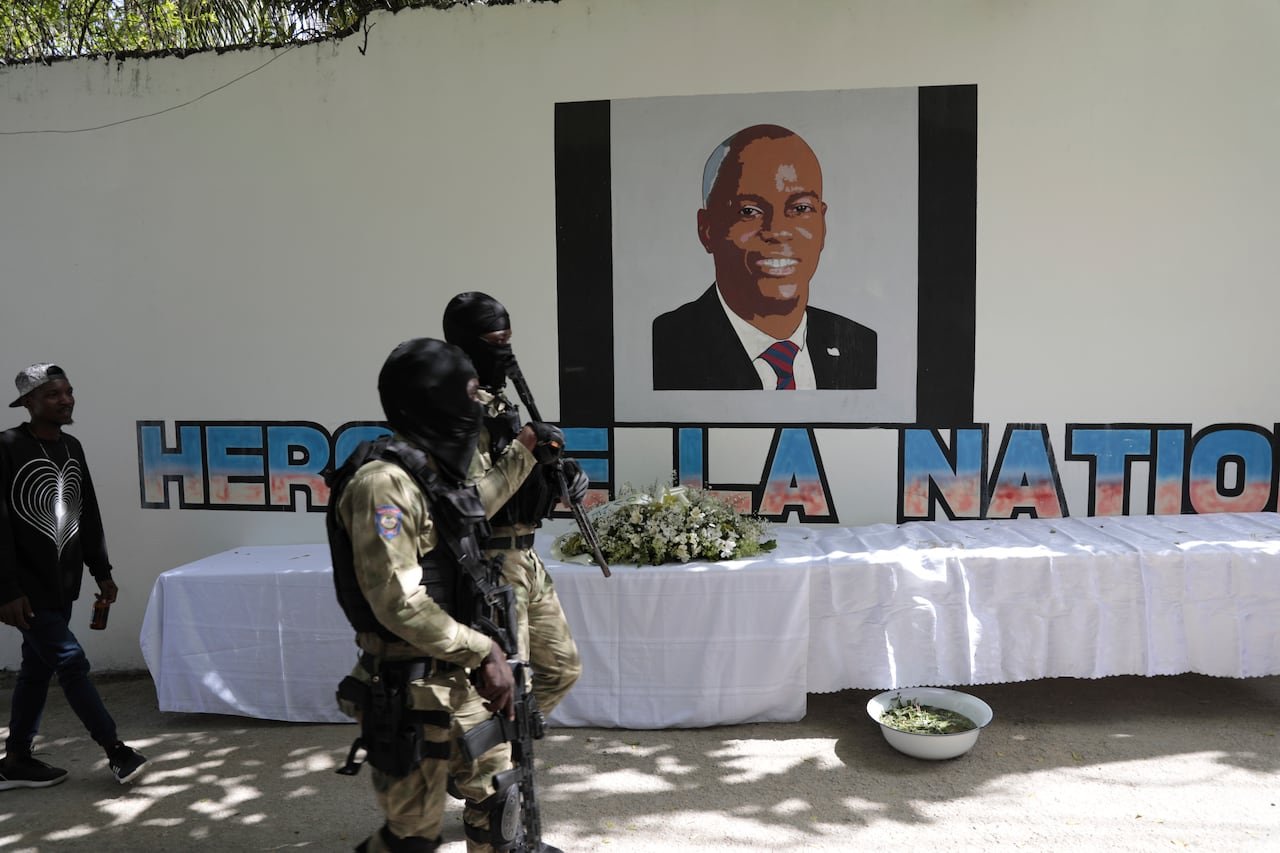
The ongoing gang violence has impeded the prosecution of 20 individuals, including Colombian soldiers and Haitian officials, charged in connection with the 2021 assassination of President Jovenel Moïse. The investigation has faced numerous obstacles, including the control of the downtown courthouse by powerful gangs.
Meanwhile, in a separate development, the trial for four defendants accused of conspiring to kidnap or kill Haiti’s former leader is set to begin in a U.S. federal court. The case involves individuals allegedly planning the ousting of Moïse and installing a replacement.
As the legal proceedings continue, efforts to combat gang violence in Haiti remain a critical challenge, with international cooperation and human rights advocacy playing pivotal roles in addressing the complex situation.