

Reports of mass killings are emerging from El Fasher, a city in Sudan, following the takeover by rebel forces on Sunday, which ended an 18-month siege and raised concerns over a severe humanitarian crisis.
These alarming reports surfaced after the Rapid Support Forces (RSF) seized the army’s headquarters in the city, overcoming the last significant barrier to their dominance over Sudan’s vast western region of Darfur.
Satellite imagery appears to depict corpses on the streets, with hundreds more feared dead; however, disrupted communication and limited accounts from fleeing refugees complicate the assessment of the situation.
Aid workers and officials express concern for those who managed to escape the city.
“Those who managed to flee — predominantly women, children, and the elderly — are facing extortion, rape, and violence during their dangerous journey. Young men have been kidnapped or killed along the way, and many people are being barred from leaving the area,” stated Tom Fletcher, UN under-secretary-general for humanitarian affairs and emergency relief, during a Security Council meeting on Thursday.
He emphasized the need for immediate action to tackle the “catastrophic levels of human suffering” in El Fasher and Darfur.
The UN has characterized Sudan’s ongoing civil war, which has seen rampant sexual violence, famine, indiscriminate conflict in civilian regions, and the displacement of millions, as the largest humanitarian crisis globally.
“The crisis in Sudan fundamentally represents a failure of protection and our duty to uphold international law,” Fletcher remarked.
Aid organizations and activists have previously alerted to the risk of ethnic violence as the RSF overpowered the military and associated fighters. The RSF has historical ties to the Janjaweed militia, which perpetrated genocide in Darfur in the early 2000s.
“What is happening in El Fasher echoes the atrocities that Darfur faced two decades ago. However, today’s global response seems vastly different — marked by a sense of resignation. This is also a crisis of indifference,” Fletcher added.
Nadia Taha reported that she lost contact with her uncle and other family members in El Fasher last week.
“I don’t know if he’s alive or if he has died … I’m terrified he may have been killed,” Taha shared with CBC News from Washington, D.C., mentioning that she heard from others that his neighbors were killed during the assault.
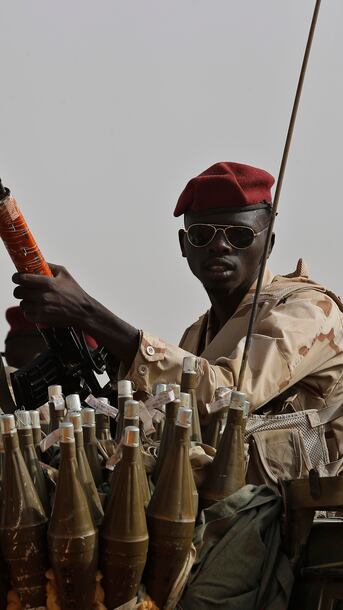
Rebel forces captured El Fasher, Sudan, on Sunday, following an 18-month siege. The UN has labeled Sudan’s civil war as the largest humanitarian crisis, characterized by widespread violence and the displacement of millions.
“I haven’t slept for 48 hours.”
She revealed that her brother, Mohammed Adam Abdullah Taha, was killed on September 24 by an RSF drone while he was in the Sudanese army, assisting others in escaping the besieged city or seeking refuge.
“He was very dedicated to El Fasher … his death broke our hearts.”
The RSF has consistently denied harming civilians, and on Thursday, they dismissed new claims from the World Health Organization regarding approximately 460 fatalities at El Fasher’s Saudi Hospital.
Nevertheless, RSF commander Gen. Mohammed Hamdan Dagalo acknowledged on Wednesday that there were “abuses” by his forces and stated that an investigation is underway.
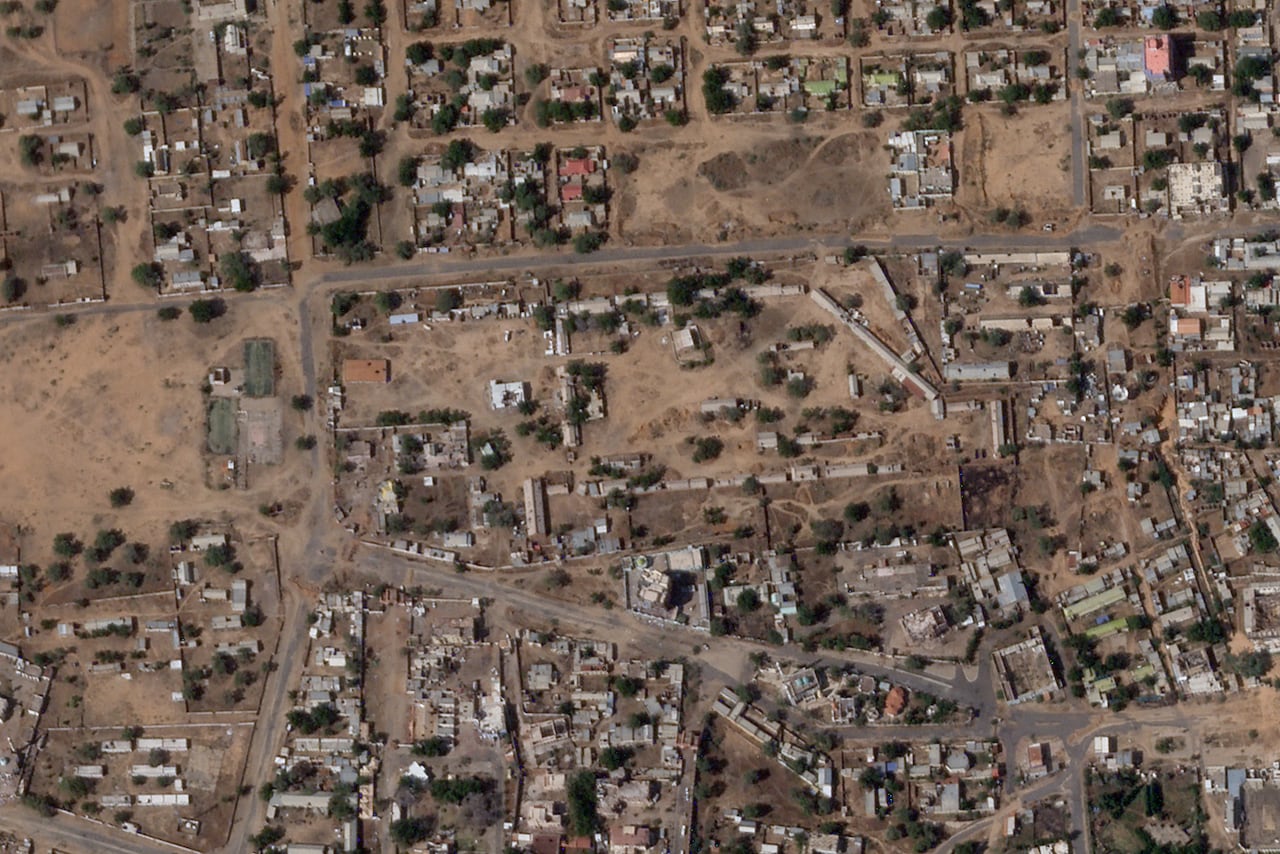
A satellite image shows the headquarters of the Sudanese military’s 6th Division in El Fasher on Sunday, provided by Planet Labs PBC. (Planet Labs PBC/The Associated Press)
“The investigation committee will hold accountable any soldier or officer who committed a crime or acted against any individual,” Dagalo, known as Hemedti, stated.
Reports indicate that the UAE is supporting the RSF, akin to its backing of armed factions in Libya and Yemen, aimed at extending its influence and countering Islamist groups. They have repeatedly denied claims of providing weapons to the RSF.
However, in January 2024, the UN-appointed Panel of Experts for Sudan reported credible claims of cargo planes believed to be transporting weapons intended for the RSF from neighboring Chad.
During a UN Security Council session on Thursday, the UAE’s representative, Mohamed Abushahab, declared that the Gulf nation expresses “solidarity” with the Sudanese populace and announced a commitment of $100 million in humanitarian aid.
Sudan’s UN Ambassador Al-Harith Idriss Al-Harith Mohamed accused the UAE of conducting a “war of aggression” in Sudan by supporting the RSF and criticized the Security Council for its inaction in holding this specific sponsor and others accountable.
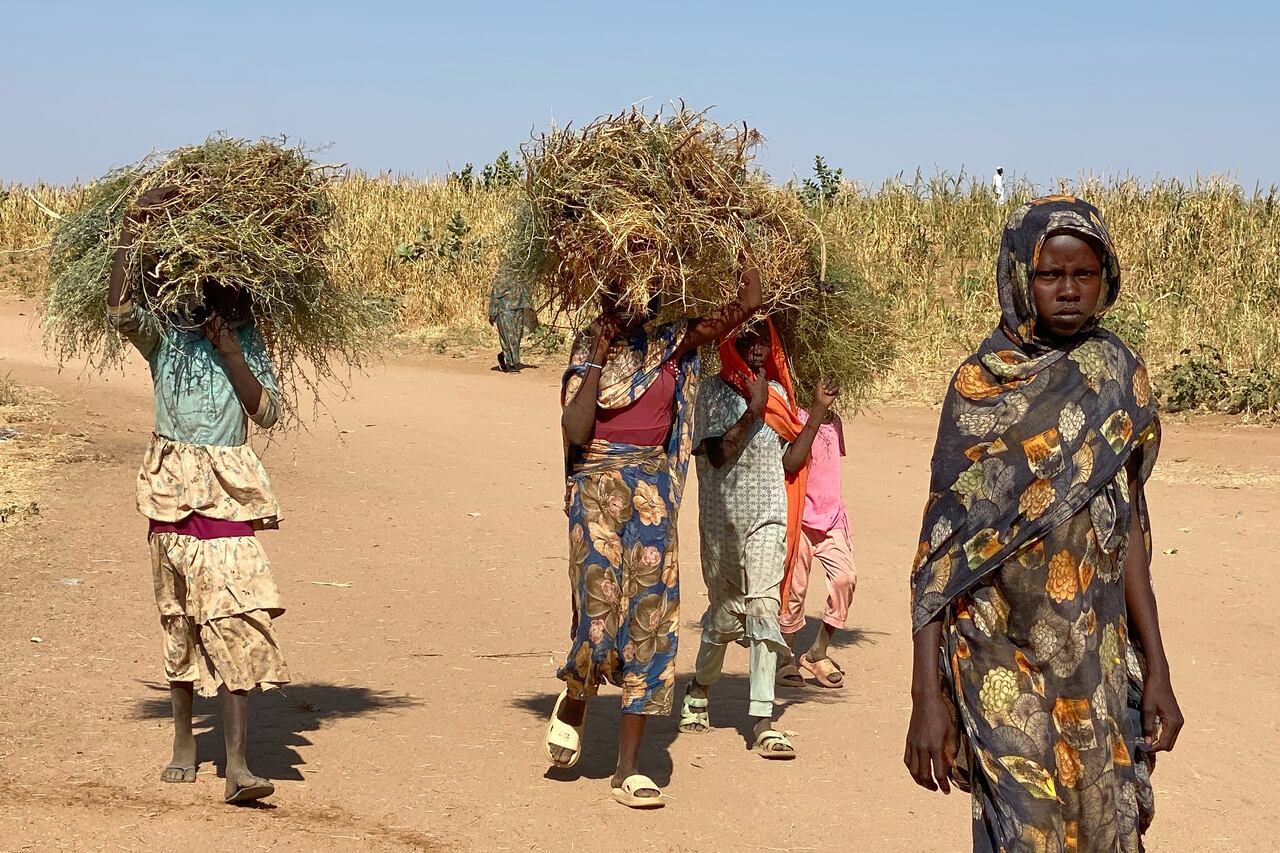
Displaced Sudanese women who fled El Fasher after the paramilitary forces killed hundreds in the western Darfur region gather firewood at their camp in Tawila, Sudan, on Thursday. (Mohammed Abaker/The Associated Press)
Some of those who escaped are undertaking an extraordinarily challenging journey of over 800 kilometers on foot to reach the capital, Khartoum, according to Aman Alawad, the Sudan director of the humanitarian organization MedGlobal.
“We are witnessing people dying for no reason, individuals being killed due to their ethnic background or skin color. This is unacceptable and must not be tolerated,” Alawad remarked to CBC’s As It Happens from Khartoum on Tuesday.
Others are attempting to reach Tawila, where many are seeking shelter, located approximately 60 kilometers west of El Fasher.
However, of the more than 26,000 individuals who fled the city on Sunday and Monday, fewer than 2,000 had reached Tawila by Tuesday, according to Mohamed Refaat, chief of mission for Sudan with the International Organization for Migration.
An estimated 250,000 people remained in El Fasher towards the conclusion of the siege.
“This should concern us all,” stated Malthide Vu, advocacy manager for the Norwegian Refugee Council, which oversees the Tawila refugee camp. “Where are the others? This illustrates the horror of the journey.”
Satellite imagery of El Fasher reveals clusters of objects consistent with human bodies surrounded by reddish stains that appear to be blood, according to a report released on Tuesday by the Yale Humanitarian Research Lab.
The lab confirmed instances of killings by the RSF near the Saudi Hospital and at a detention facility located at a former children’s hospital in the eastern section of the city.
CBC News and The Associated Press examined the same images.
The lab reported that “systematic killings” occurred around the eastern wall constructed by the RSF outside the city earlier this year.
“El Fasher seems to be undergoing a systematic and intentional ethnic cleansing process,” stated the report.
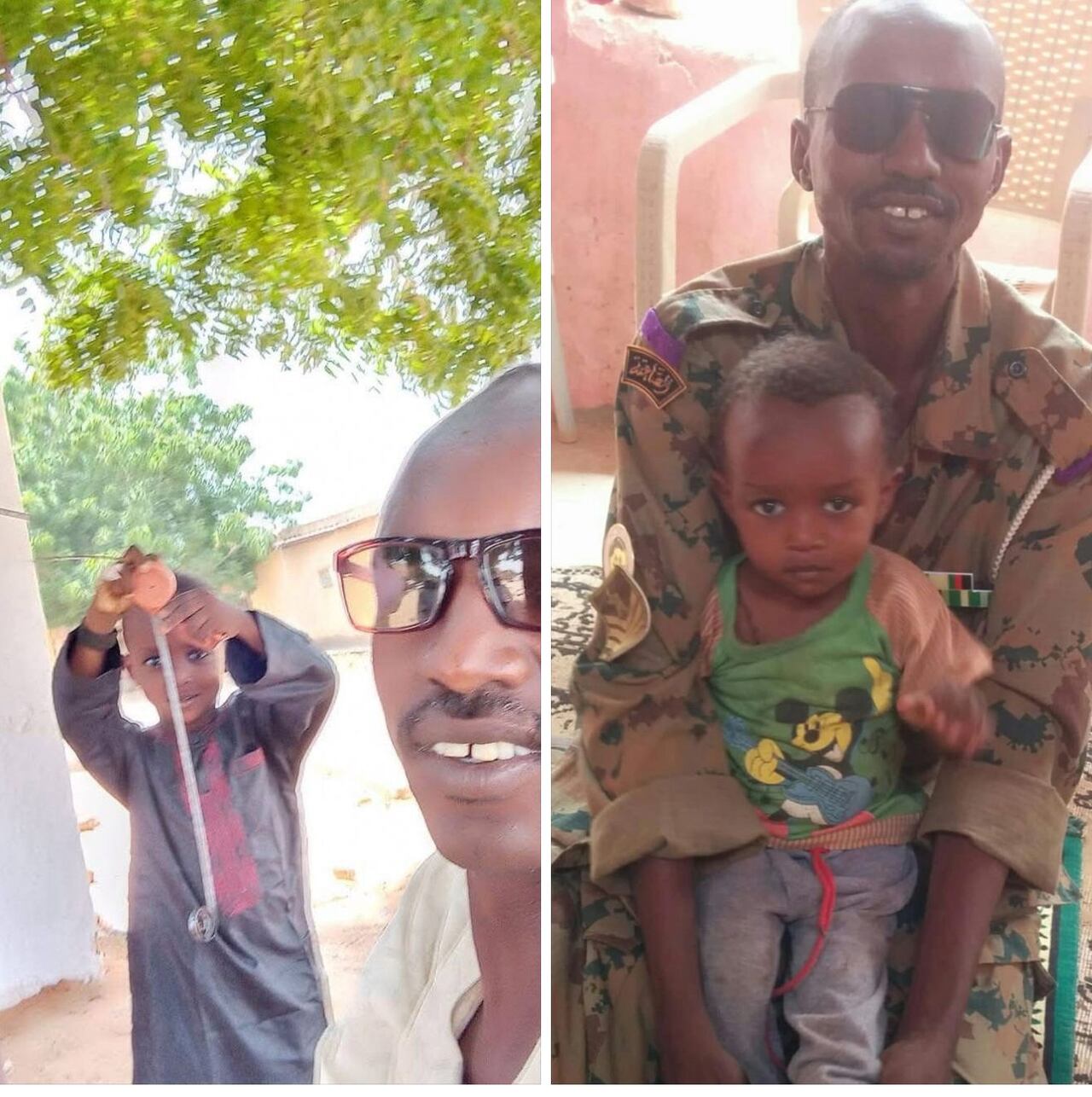
Mohammed Adam Abdullah Taha, a member of the Sudanese army, was killed by an RSF drone on September 24 while aiding others in escaping El Fasher or finding shelter, according to his sister.
(Submitted by Nadia Taha)