
On Tuesday, the federal government unveiled new regulations aimed at addressing one of the most significant contributors to climate pollution: methane emissions from the oil and gas sector.
This announcement coincides with the release of new footage by an environmental organization, highlighting the severity of the issue in Alberta, while the federal government appears to be easing its stance in that province.
According to sources, these regulations, which have been awaited for months, include substantial emission reductions but provide greater flexibility to oil and gas companies after many expressed concerns that the initial draft from the Trudeau administration was overly stringent.
Since taking office, Prime Minister Mark Carney has surprised numerous environmental advocates by removing essential components of Canada’s climate policies and supporting a potential pipeline to the Pacific Ocean.
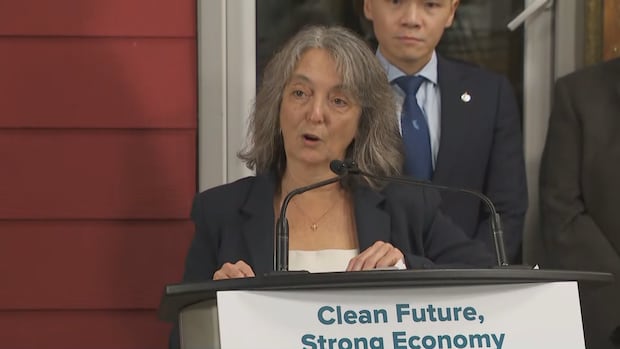
Minister of Environment and Climate Change Julie Dabrusin announced Tuesday that the government will impose new methane regulations on the oil and gas sector and landfills, intended to ‘drive down emissions from two of the largest sources of methane in Canada.’
This announcement marks the first significant move by the Carney government to introduce a climate policy rather than retract one.
Nonetheless, sources informed CBC News that the new methane regulations could have been implemented up to nine months ago.
Dabrusin acknowledged the delays in announcing the regulations and indicated they were prepared during a time when the Liberal Party was selecting a new leader and Canadians were approaching an election.
CBC News has opted not to disclose the names of the sources as they were not permitted to speak publicly.
Alberta receives an extension
The federal government is also providing the Alberta government with additional time to comply. A memorandum of understanding signed by both governments in November allows Alberta until 2035 instead of 2030 to achieve the methane targets.
As a result, some experts view the regulations as a step forward in one aspect, but a regression in another.
“The effectiveness of these regulations will be diminished by this delay in Alberta,” stated Amanda Bryant, a senior analyst at the Pembina Institute, an energy think tank based in Calgary.
Dabrusin countered the notion that the Alberta exception signifies procrastination, asserting, “Today signifies the implementation of regulations that will reduce methane emissions nationwide.”
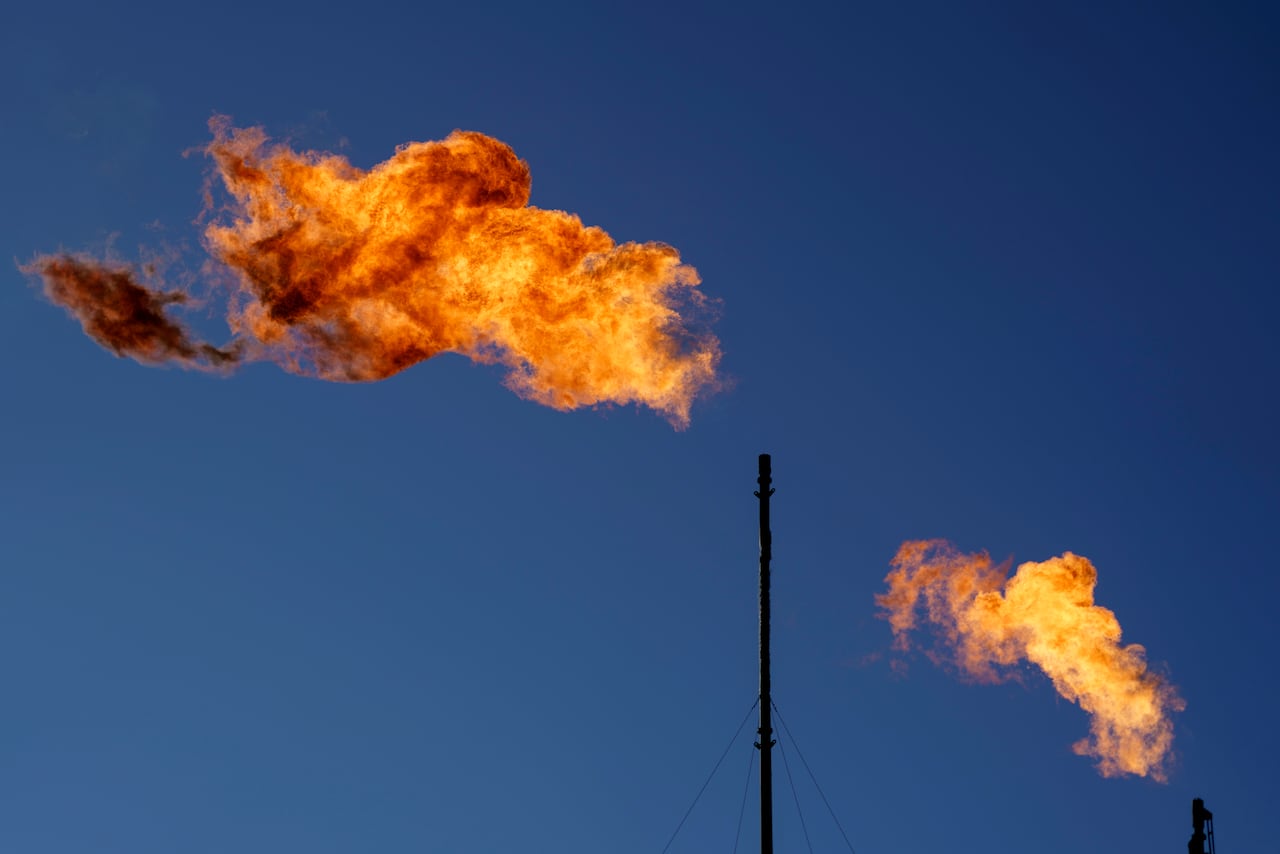
Flares burn at an oil and gas facility in Texas. The federal government is announcing new regulations on ‘flaring’ natural gas — burning off excess gas instead of using or capturing it. (David Goldman/The Associated Press)
The Alberta government stated that it will pursue a side agreement with Ottawa rather than negotiating a technical equivalency agreement.
Methane emissions largely originate from fossil fuel extraction and production, often due to accidental leaks or intentional releases. Some facilities opt to flare excess natural gas, which predominantly consists of methane, rather than capturing this valuable resource.
However, the impact of methane emissions on climate change is significant, as its potential for global warming is over 80 times greater than that of carbon dioxide.
The new regulations prohibit such releases, also referred to as “venting,” and “establish an inspection schedule to identify and repair leaks,” according to a pre-announcement copy.
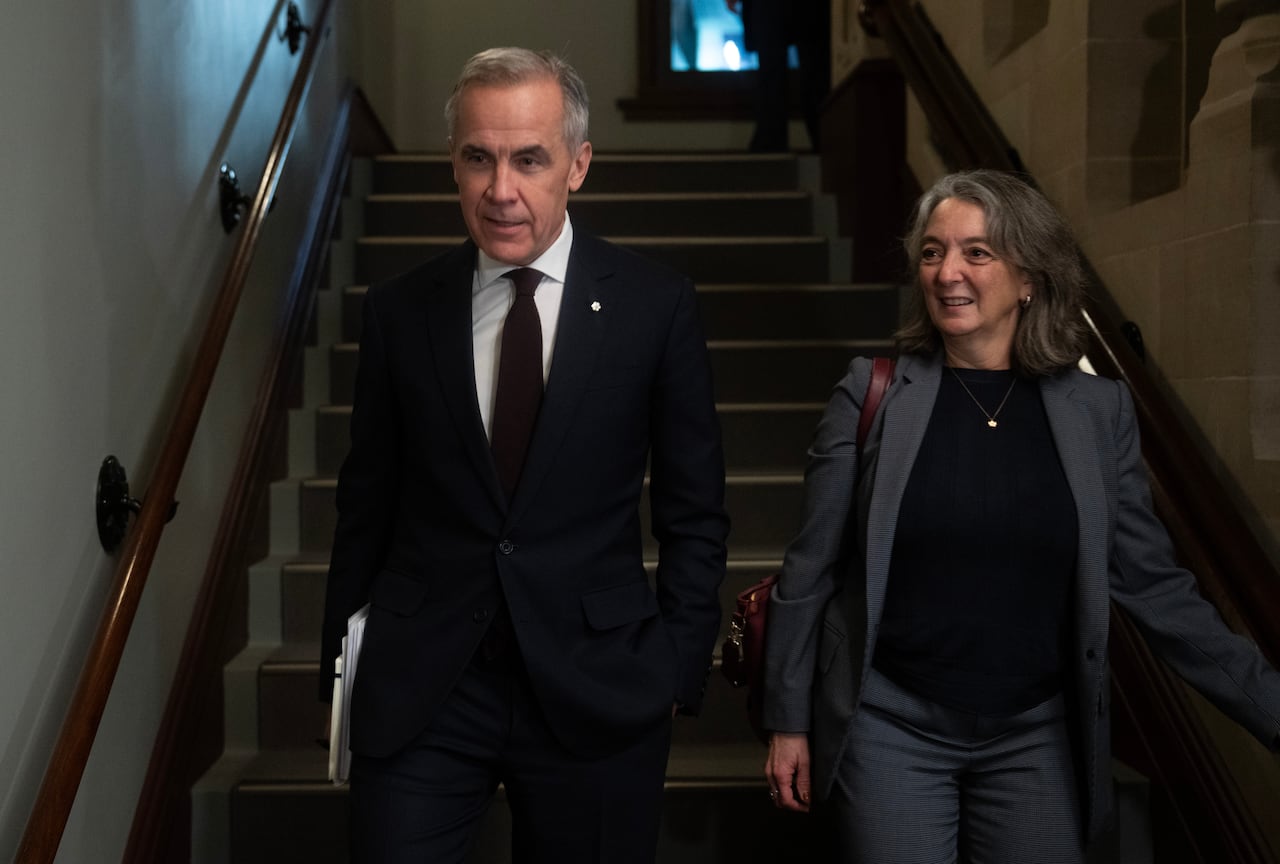
Prime Minister Mark Carney’s environment minister, Julie Dabrusin, is expected to make the announcement on Tuesday. (Adrian Wyld/The Canadian Press)
Operators have the option to develop their own strategies for compliance, provided their facilities meet “methane intensity thresholds” aligned with standards from “leading international voluntary certification programs.”
Fossil fuel companies, including MEG Energy, contended that the proposed regulations from the Trudeau government were “overly prescriptive” and called for increased flexibility.
One industry representative expressed dissatisfaction with the final regulations.
“We’re disappointed today,” stated Paul Cheliak, a vice-president with the Canadian Gas Association. “We’re not aligned on the costs … and those costs will ultimately be passed onto consumers.”
-
Here’s what to know about Canada’s landmark energy agreement with Alberta
-
Alberta Energy Regulator stopped enforcing gas flaring limits after government pressure, documents show
-
As cleanup costs mount, oilpatch may be forced to pay deposit before drilling new wells
The association estimates that the regulations will incur around $3,000 per tonne for the industry to implement, primarily due to monitoring and detecting methane leaks.
The government claims its analysis indicates that these regulations are projected to lower oil and gas production growth by approximately 0.2 percent between 2025 and 2035. However, concerning greenhouse gas emissions reductions, the policy is anticipated to cut 304 million tonnes.
Health effects of natural gas leaks
While methane itself poses no harm to humans, natural gas includes harmful substances such as ethane, propane, and butane.
“These are complex chemicals linked to various health issues, including cancers,” said Dr. Joe Vipond, an emergency physician in Calgary affiliated with the Canadian Association of Physicians for the Environment.
The government states that the regulations are “expected to lead to fewer premature deaths, lessen symptoms for those with asthma, and avert crop losses due to ozone damage.”
-
Canada committed to 2030 climate target, says environment minister
-
Feds’ backtracking on climate action is ‘fuelling’ Quebec separatism, ex-minister Guilbeault says
-
Study links oil and gas industry pollution in Alberta to negative health outcomes
In addition to cleaner air, conserving natural gas rather than wasting it could supply enough energy to heat over 11 million Canadian households for a year, according to government estimates.
The federal government is also introducing new regulations for landfills.
Methane emissions from organic waste, such as food and paper, in landfills will now need to be monitored and captured in certain circumstances.
From 2026 to 2040, the regulations related to landfills are projected to decrease greenhouse gas emissions by 100 million tonnes.
Concerns regarding climate targets
An analysis by the Canadian Climate Institute suggests that Canada will fall short of its 2030 climate goals and may only achieve half of the pollution reductions it committed to, primarily due to the government’s rollback of several environmental regulations established during the Trudeau administration.
“It’s truly inexplicable. We are facing a methane pollution crisis,” remarked Thomas Green, senior manager of climate solutions at the David Suzuki Foundation, regarding the decision to delay the implementation of new methane regulations.
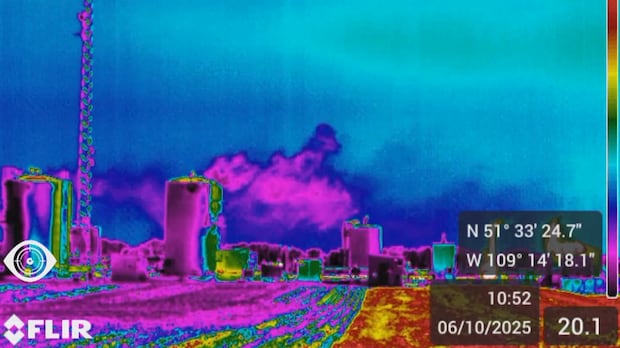
The David Suzuki Foundation claims this footage reveals invisible methane pollution escaping from a Saskatchewan oil and gas facility in June 2025. The footage was captured using a FLIR infrared camera.
The foundation has examined oil and gas facilities in Alberta and Saskatchewan using a specialized camera capable of detecting methane emissions, which are not visible to the naked eye.
Upon revisiting the same sites in 2022 and 2025, the environmental group reported that the situation has deteriorated.
“In certain instances, we observe large amounts moving across the landscape and heading towards farms or communities, which raises significant concerns given that methane carries other volatile organic compounds that can affect health,” Green added.