

Prosecutors have dropped a second-degree murder charge against a man who spent 23 years incarcerated for the murder of a 10-year-old girl in 1989.
Last month, Ontario’s court of appeal overturned the conviction of 62-year-old Timothy Rees and mandated a new trial in this intricate case, which involves recanted confessions, allegations of police conspiracy, and evidence mishandling.
This development followed statements from two former federal justice ministers indicating that a “miscarriage of justice” likely took place during Rees’s original trial over three decades ago.
Ultimately, it was up to the Crown to determine whether to pursue a new trial.
On Thursday, prosecutors announced that, considering the appeal ruling and the length of time that has passed, it was no longer in the public’s interest to move forward with the case.
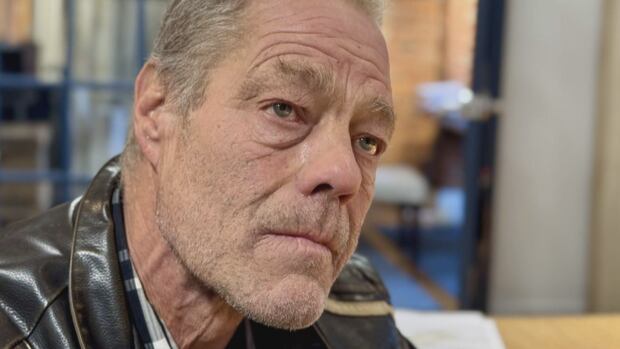
A Toronto man who spent 23 years in prison for the murder of a little girl has been granted a new trial. Timothy Rees has maintained he was wrongfully convicted of the 1989 murder of 10-year-old Darla Thurrott. But as CBC’s Ali Chiasson reports, even with a new trial, his exoneration is far from guaranteed.
In 1990, Rees was convicted of second-degree murder in the death of Darla Thurrott and sentenced to life imprisonment, with no possibility of parole for 15 years.
He appealed his conviction, but this was rejected in 1994, and the Supreme Court chose not to hear his case.
Rees was granted day parole in 2009 and subsequently received full parole.
The latest appeal was influenced by a recording of a conversation between a police officer and the building’s landlord, which had not been provided to the defense.
-
Toronto man who spent 23 years in prison for murder of girl, 10, to have case reviewed in court
-
New trial ordered for Ontario man who spent 23 years in prison for 10-year-old girl’s murder
The recording features landlord James Raymer, who resided in the same building as Darla and her family, denying that he killed the girl and making comments implying prior sexual interactions with her, according to the ruling.
Additionally, he made remarks suggesting he had encountered Darla on the evening of her death, while also denying that he had.
The court ruled that the failure to disclose the tape compromised the trial’s fairness by preventing the defense from utilizing material to support their theory of a third-party suspect.
Raymer, who testified for the Crown during the initial trial, passed away in 1999.
Crown decision feels bittersweet: Rees
After hearing the Crown’s decision outside the courthouse, Rees expressed that he felt overwhelmed, regarding it as the conclusion of “a very long, hard battle” that he should never have had to endure.
“Having my name cleared means everything to me,” he stated. “It should be a joyful day, but it isn’t, as I mourn Darla’s death, and there’s no justice for her.”
He expressed anger towards Toronto police for withholding the recording and emphasized the need for safeguards to ensure that others do not endure similar experiences.
“I pretty much lost everything in my life,” he reflected. “I’m never going to have my own children and that sort of thing.”
Looking ahead, Rees mentioned his intention to live the best life possible with his dog, Blitz.

Prosecutors have withdrawn a second-degree murder charge against Toronto’s Timothy Rees, who spent 23 years in prison for the 1989 killing of a 10-year-old girl, and later had his conviction overturned. Rees and his lawyer, James Lockyer, spoke to As It Happens host Nil Köksal.
In a conversation with CBC Radio’s As It Happens later, Rees expressed his relief at the withdrawal of charges.
“I’m grateful that I’m no longer labeled a murderer and that this burden is lifted from me. I just need to move on,” he commented.
“I am truly saddened that Darla’s life was taken, but it has nothing to do with me. I wish I could somehow achieve justice for her. Darla was my little buddy. We were friends, and I would never harm her or any other child.”
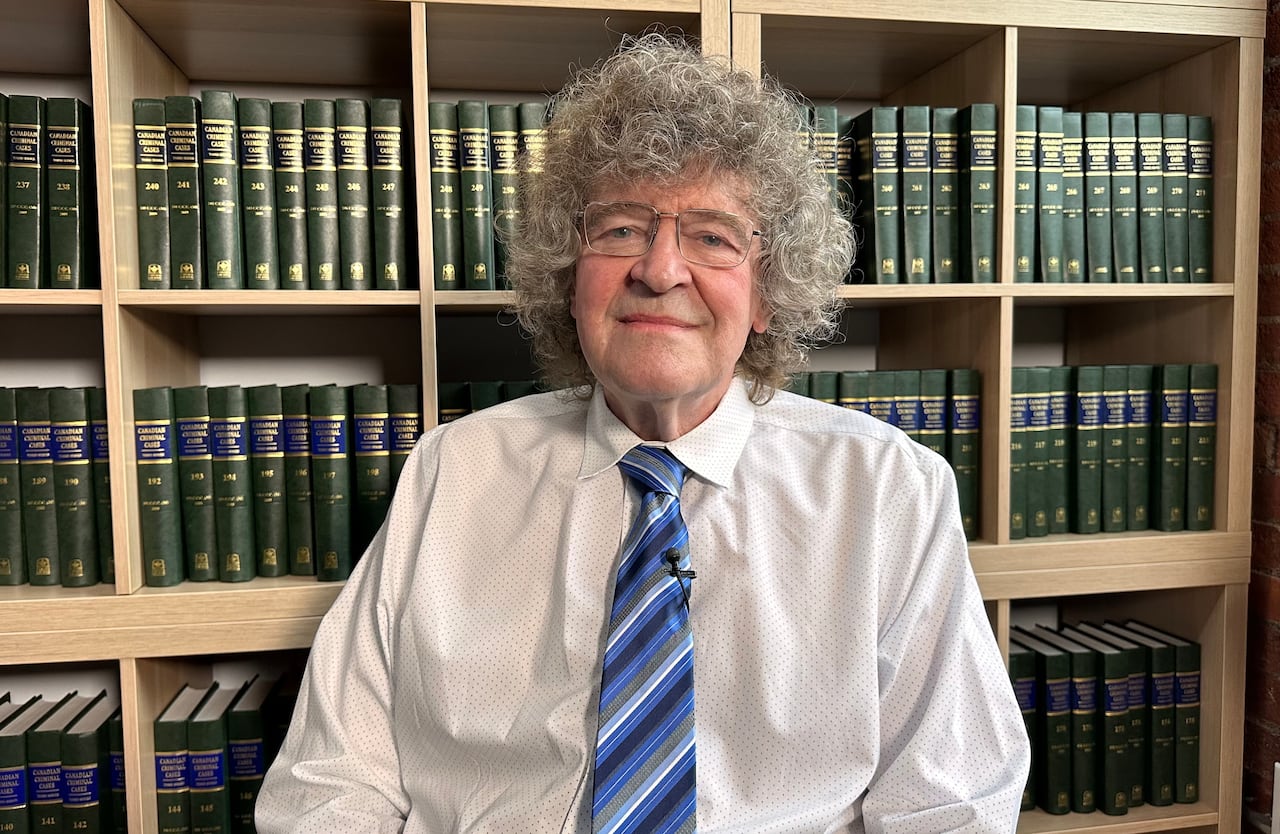
James Lockyer, a lawyer with Innocence Canada, represented Timothy Rees and suggested he consider filing a civil lawsuit after the charges were dropped on Thursday. (Talia Ricci/CBC)
Rees’s attorney, James Lockyer, stated in court on Thursday that the Crown’s decision signified “the conclusion of a very long saga” for Rees.
He noted that the legal team had no concerns about a retrial, as it would have posed a “Crown attorney’s nightmare.”
While he clarified he was not a civil lawyer, Lockyer advised that Rees should contemplate a civil suit against the police and the justice system.
“He deserves every cent he can obtain,” Lockyer stated outside the courthouse, adding that the decision was facilitated by the discovery of the police recording.
“It is widely recognized that wrongful convictions are frequently rectified by sheer coincidence, good fortune, and that is very much true in Tim’s case.”
In an interview with CBC Radio’s As It Happens later, Lockyer mentioned that Rees allegedly confessed.
“He confessed, they claim. In reality, what they did was document their interpretation of what they believed might have transpired if he were guilty and simply had him agree. Essentially, it was their words, and then they instructed him to ‘Sign here.’
“They engaged him at a time when he was extremely depressed… He was in a terrible state and just wanted to escape the room and find a place to sleep. He was willing to comply with whatever they requested.”
Lockyer expressed relief at the charges being dismissed.
“I’ve been working on Tim’s case for 11 years, so this has been a lengthy journey. It’s gratifying to see it come to a close and to know that Tim can now walk with his head held high.”